




For distributors, resellers, and large-scale printing businesses, purchasing printer consumables in bulk is a common practice. Toner cartridges, drum units, developer kits, and other consumables are essential for maintaining the operation of laser printers and copiers in offices, print shops, and corporate environments. However, before committing to large orders, it is extremely important to test and evaluate compatible consumables carefully.
Compatible printer supplies offer significant cost advantages compared to OEM products, but quality can vary depending on the manufacturer. Choosing the wrong supplier may lead to poor print quality, increased service calls, customer complaints, or even damage to printing equipment.
Therefore, proper product evaluation is a critical step for any distributor or service provider. By conducting systematic testing and quality checks, buyers can ensure that the consumables they purchase in bulk meet performance expectations.
This guide explains the key methods used to test compatible consumables, the factors that should be evaluated, and why working with reliable manufacturers such as TOC helps ensure consistent product quality.
Why Testing Compatible Consumables Is Important
Compatible consumables are widely used in the printing industry because they provide a cost-effective alternative to OEM products. However, not all compatible products are manufactured with the same level of precision or quality control.
Testing before bulk purchase allows distributors to verify several important factors:
- Print quality consistency
- Page yield accuracy
- Compatibility with specific printer models
- Stability during long print runs
- Reliability under different workloads
Without proper testing, businesses may unknowingly purchase consumables that perform poorly, which can damage their reputation and lead to higher support costs.
Careful evaluation helps buyers identify reliable products that deliver both cost efficiency and dependable performance.
Verify Printer Compatibility
The first step in evaluating compatible consumables is confirming that they are fully compatible with the target printer models.
Different printers have unique mechanical structures, chip communication systems, and toner requirements. Even small differences in cartridge design can affect installation or printing performance.
During compatibility testing, service providers should check:
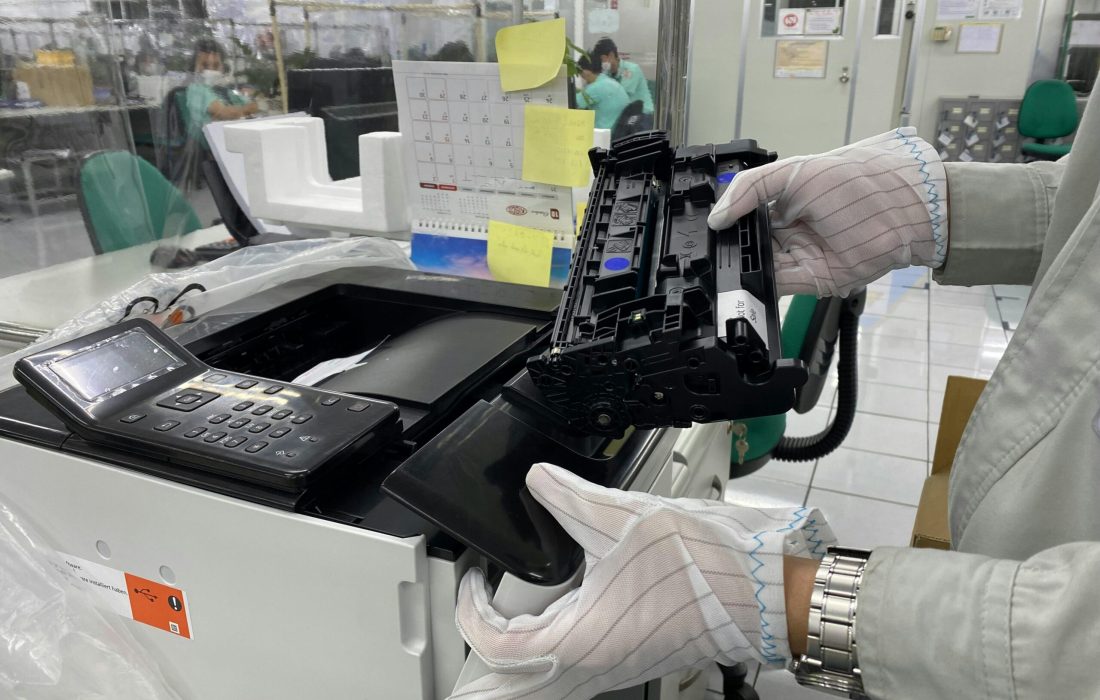
- Cartridge fit inside the printer
- Chip recognition by the machine
- Firmware compatibility
- Error messages or warnings
High-quality compatible products—such as those developed by TOC—are typically tested with multiple printer models to ensure stable operation across different machines.
Evaluate Print Quality
Print quality is one of the most important criteria when evaluating compatible consumables.
Testing should include both text documents and image-heavy prints to assess different aspects of output quality.
Text Sharpness
Print several pages of small-font text and examine the edges of characters. Clear, sharp text indicates proper toner formulation and imaging accuracy.
Image Clarity
For color or graphic printing, check gradients, photographs, and fine lines. The prints should show smooth transitions without visible banding or distortion.
Background Cleanliness
Pages should remain clean without gray shading or toner residue in blank areas.
Consistent print quality is a strong indicator that the cartridge has been designed and manufactured properly.
Check Page Yield Performance
Page yield refers to the number of pages a cartridge can produce before it needs replacement.
When evaluating compatible consumables, buyers should test whether the actual yield is close to the manufacturer’s stated specifications.
To test page yield:
- Install the cartridge in a compatible printer.
- Print standard test documents continuously.
- Track the total number of printed pages before toner depletion.
If the yield is significantly lower than expected, the cartridge may not be cost-effective despite a lower purchase price.
High-quality compatible brands such as TOC focus on maintaining competitive page yields that match industry standards.
Conduct Long-Run Printing Tests
Some cartridges perform well for the first few pages but begin to show problems during extended printing.
Long-run testing simulates real-world usage in high-volume environments.
During this process, technicians should print hundreds or thousands of pages continuously and observe whether the cartridge maintains stable performance.
Important factors to evaluate include:
- Print density consistency
- Absence of toner leakage
- Stable toner distribution
- No unexpected machine errors
Reliable cartridges should maintain consistent output throughout the entire testing cycle.
Inspect Cartridge Build Quality
Physical construction is another important factor when evaluating compatible consumables.
Technicians should carefully inspect the cartridge structure, including:
- Plastic housing durability
- Seal integrity
- Chip installation quality
- Internal component stability
Poorly constructed cartridges may crack, leak toner, or fail during installation.
Manufacturers with strong engineering capabilities—such as TOC—use durable materials and precise manufacturing processes to ensure stable cartridge performance.
Monitor Printer Condition After Testing
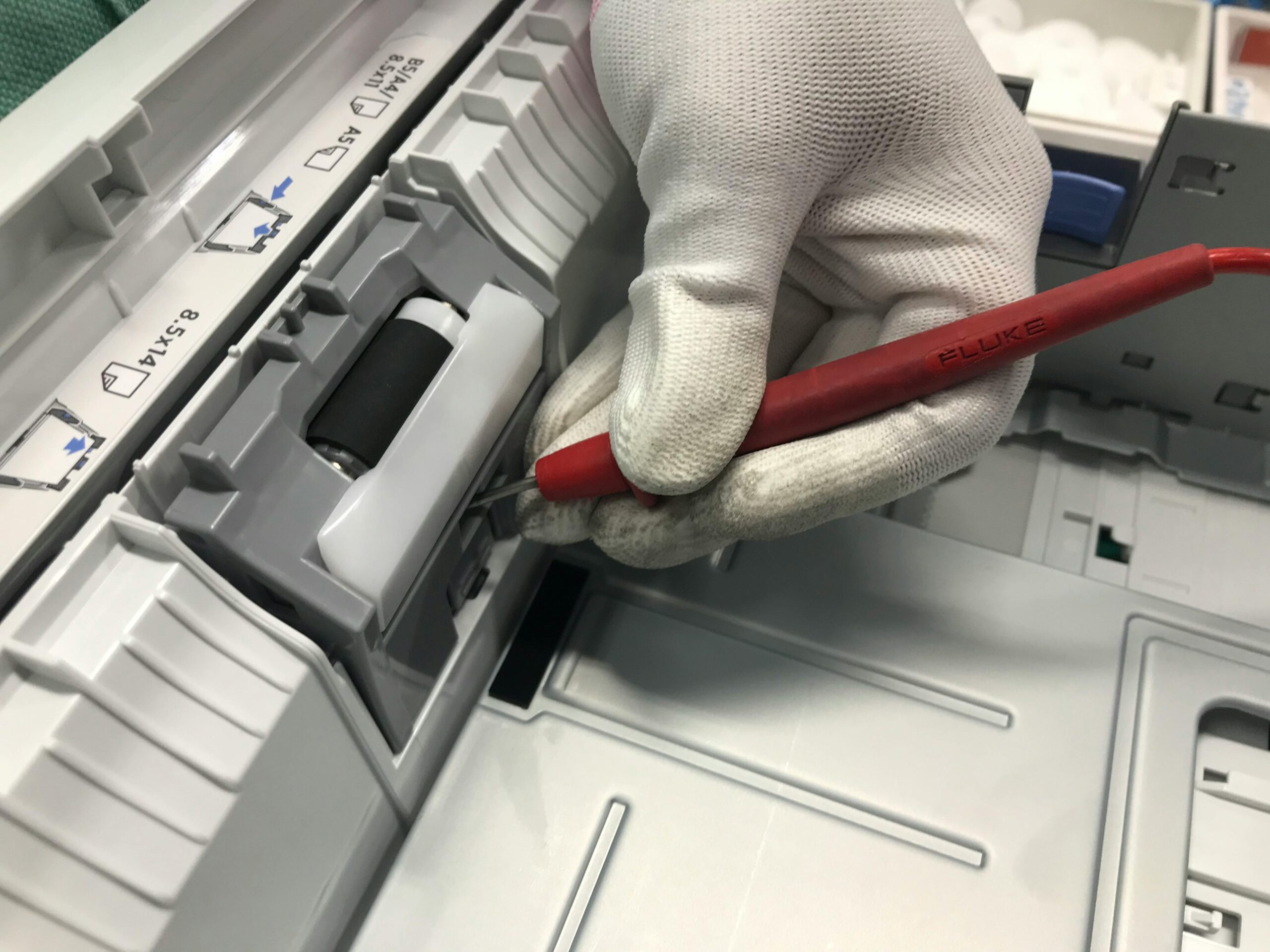
Another important step in evaluation is checking the printer itself after testing the consumables.
Low-quality cartridges may cause internal contamination due to toner leakage or improper toner charge characteristics.
After testing, technicians should inspect the printer for:
- Excess toner accumulation
- Contamination around the drum area
- Abnormal wear on internal components
High-quality compatible consumables should operate cleanly without leaving excessive residue inside the machine.
Compare Multiple Suppliers
Distributors should avoid relying on a single supplier during initial evaluation. Instead, testing products from multiple manufacturers allows buyers to compare performance directly.
Key comparison factors include:
- Print quality
- Cartridge durability
- Page yield
- Pricing structure
- Packaging quality
- Delivery reliability
Through comparison testing, distributors can identify the supplier that offers the best balance between quality and cost.
Evaluate Packaging and Logistics
Packaging quality is another important consideration, especially for distributors handling international shipping.
Well-designed packaging protects cartridges from damage, moisture, and static electricity during transportation.
Reliable suppliers also provide:
- Clear labeling
- Anti-static packaging materials
- Secure protective foam or air cushions
Brands like TOC typically use packaging designed for long-distance logistics to ensure products arrive safely and maintain stable performance.
Request Sample Orders Before Bulk Purchasing
Before placing a large order, distributors should request sample cartridges from the supplier. Testing samples allows buyers to evaluate product performance without committing to large inventory purchases.
A typical sample evaluation process includes:
- Installation testing
- Print quality testing
- Long-run printing tests
- Inspection of cartridge construction
- Printer cleanliness evaluation
This step significantly reduces the risk associated with bulk purchasing.
Build Long-Term Supplier Relationships
Once a distributor identifies a reliable compatible consumable supplier, building a long-term partnership offers several advantages.
These benefits include:
- Stable product quality
- Consistent supply availability
- Better pricing for large orders
- Faster product updates for new printer models
Reliable manufacturers such as TOC focus on maintaining long-term partnerships with distributors by ensuring strict quality control and consistent production standards.
Conclusion
Testing compatible consumables before bulk purchase is a critical step for distributors, service providers, and businesses that rely heavily on printing equipment. Proper evaluation helps ensure that cartridges deliver consistent print quality, reliable page yield, and stable machine performance.
Key evaluation methods include verifying printer compatibility, testing print quality, conducting long-run printing tests, inspecting cartridge construction, and comparing multiple suppliers.
High-quality compatible consumables from trusted manufacturers such as TOC are designed to meet strict performance standards and provide reliable alternatives to OEM products.
By following a structured testing process and working with dependable suppliers, businesses can confidently purchase compatible consumables in bulk while maintaining excellent printing performance and customer satisfaction.