


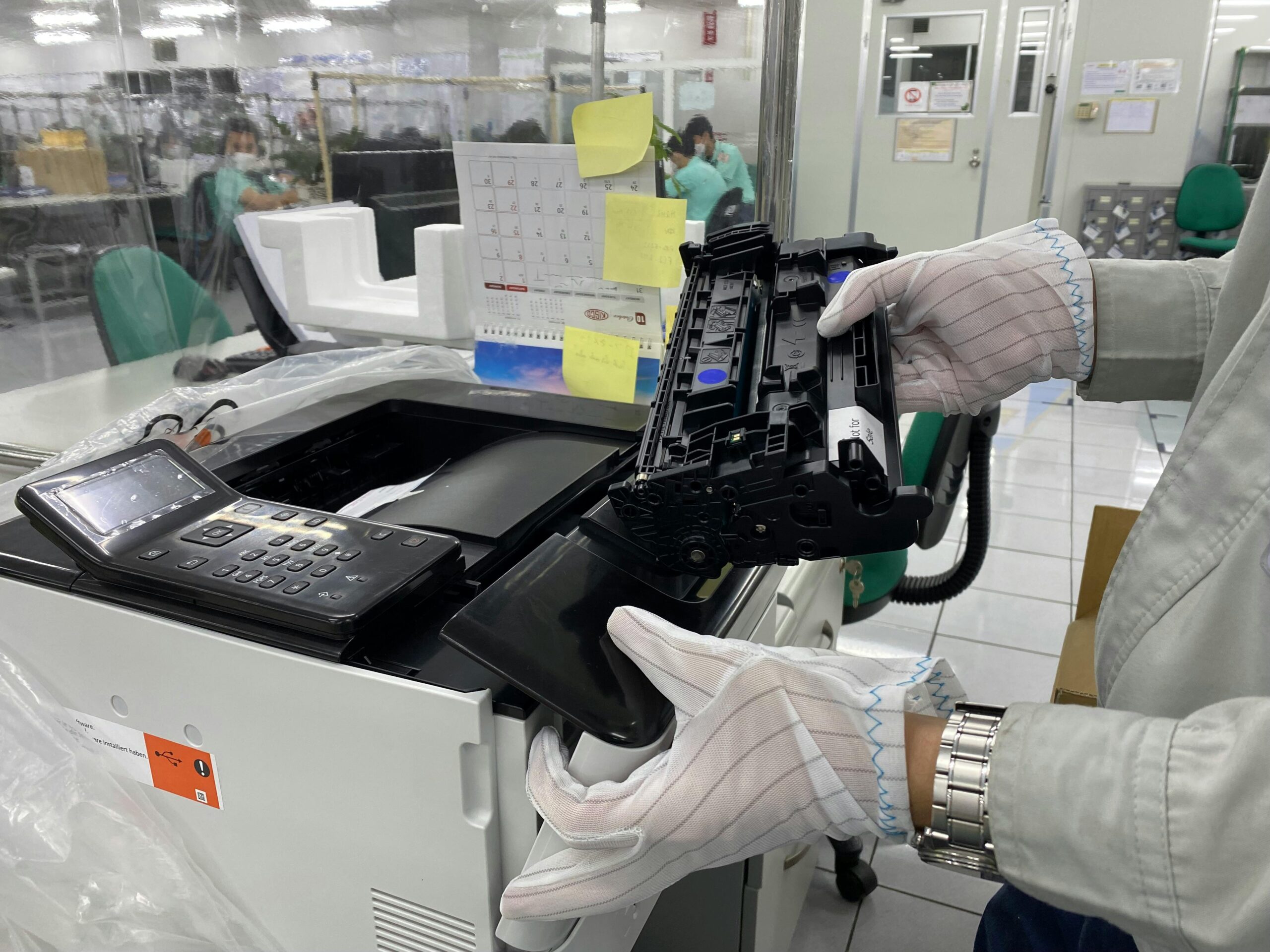
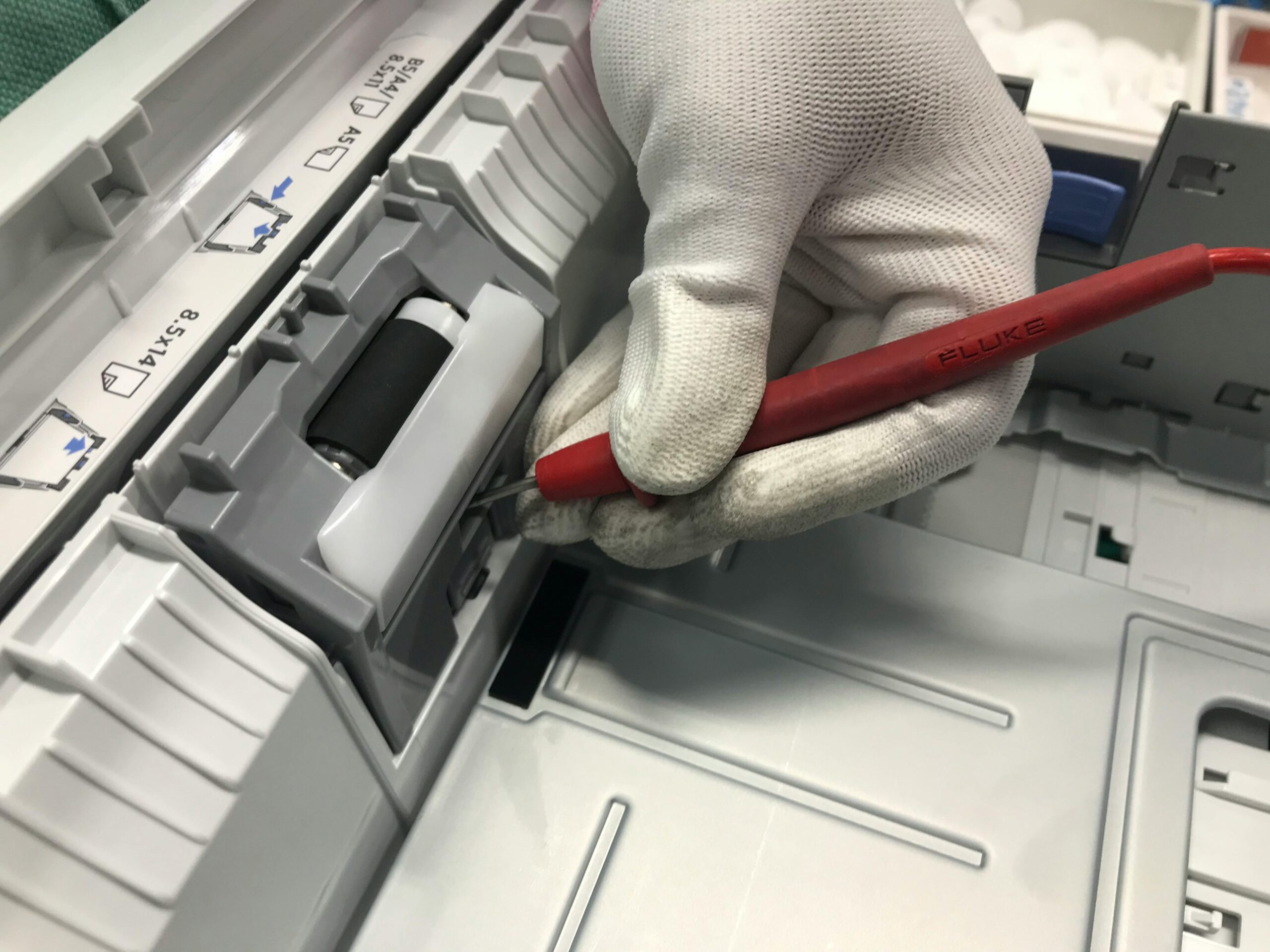
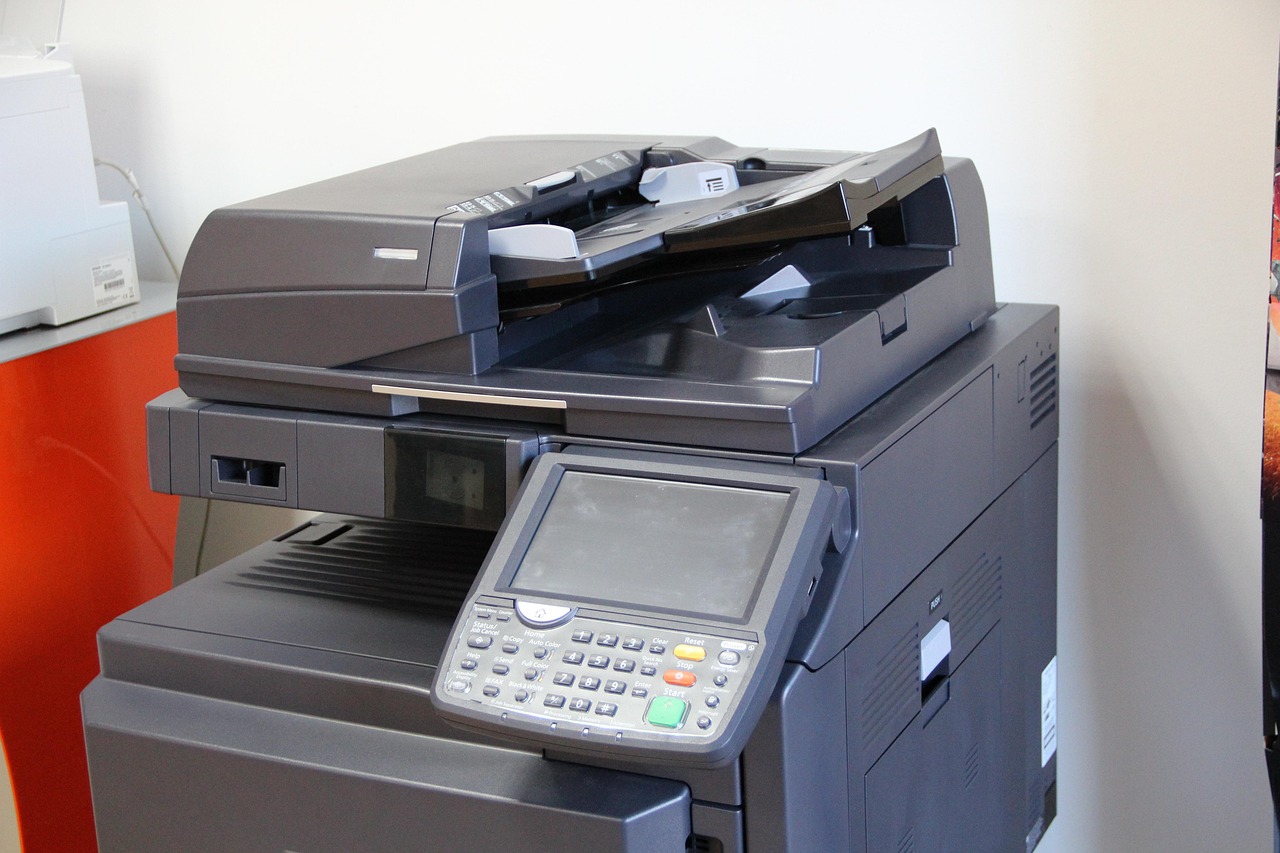


Printer consumables such as toner cartridges and ink cartridges are essential components in modern office printing systems. Whether used in corporate offices, print service providers, schools, or distribution warehouses, these supplies must be stored properly to maintain their performance and reliability. Poor storage conditions can lead to toner clumping, ink instability, leakage, and reduced print quality.
For distributors, resellers, and businesses that manage large inventories of printer supplies, understanding the correct way to store toner and ink cartridges is extremely important. Proper storage helps protect the product, extend its shelf life, and ensure that customers receive cartridges that perform consistently.
In this guide, we will explore the best practices for storing toner and ink cartridges, common mistakes to avoid, and how high-quality consumables such as TOC compatible cartridges maintain stability when handled correctly.
Why Proper Cartridge Storage Matters
Many people assume toner and ink cartridges can simply be placed on a shelf and forgotten until they are needed. In reality, these consumables contain delicate materials that are sensitive to environmental conditions.
Improper storage can cause several problems:
- Toner powder clumping inside cartridges
- Ink separation or chemical instability
- Cartridge leakage
- Printhead clogging
- Reduced page yield
- Inconsistent print quality
For distributors managing large inventories, these issues may lead to customer complaints, product returns, and financial losses. By following correct storage procedures, businesses can protect their inventory and maintain product performance.
Ideal Temperature Conditions
Temperature plays a major role in the stability of toner and ink cartridges. Extreme temperatures—both hot and cold—can damage the internal components or affect the chemical composition of the ink or toner.
Recommended Temperature Range
Most printer consumables should be stored in environments between:
10°C and 30°C (50°F to 86°F)
This range helps maintain toner consistency and prevents ink degradation.
Avoid Excessive Heat
High temperatures may cause several issues:
- Toner particles may melt or clump together
- Ink cartridges may expand and leak
- Internal seals may weaken
Warehouses and storage rooms should avoid exposure to heat sources such as direct sunlight, heaters, or industrial equipment.
Avoid Freezing Temperatures
Cold environments can also damage ink cartridges. Freezing temperatures may cause ink to separate or form crystals, making the cartridge unusable.
If cartridges are transported through cold climates, they should be allowed to return to room temperature before installation in a printer.
Maintain Proper Humidity Levels
Humidity is another environmental factor that can affect cartridge stability.
Excess moisture can cause toner powder to absorb humidity from the air, leading to clumping and inconsistent toner flow during printing. High humidity may also damage packaging materials and internal components.
The recommended relative humidity for cartridge storage is typically:
20% to 80% RH (non-condensing)
Maintaining stable humidity levels is particularly important for warehouses storing large volumes of printer consumables.
Keep Cartridges in Their Original Packaging
One of the simplest yet most important storage practices is keeping cartridges in their original packaging until they are ready to be used.
Original packaging is designed to protect cartridges from environmental exposure.
Packaging typically provides protection against:
- Dust contamination
- Moisture exposure
- Physical damage
- Light exposure
High-quality brands such as TOC design their packaging to preserve cartridge stability during shipping and long-term storage.
Opening the packaging too early increases the risk of environmental contamination and may shorten the cartridge’s shelf life.
Store Cartridges in the Correct Position
Proper orientation during storage is especially important for certain types of cartridges.
Toner Cartridges
Toner cartridges should generally be stored horizontally, as they are designed to sit in that position within the printer. Storing them upright for long periods may cause toner distribution issues.
Ink Cartridges
Ink cartridges should be stored upright when possible to prevent ink from settling unevenly inside the chamber.
Following the recommended orientation helps maintain balanced ink or toner distribution and ensures smooth operation when the cartridge is installed.
Protect Cartridges from Light Exposure
Direct sunlight or intense artificial light can damage certain cartridge components over time.
Light exposure may degrade plastic components, affect ink stability, or weaken internal seals. Therefore, toner and ink cartridges should be stored in:
- Shaded storage areas
- Closed cabinets
- Warehouse shelves away from windows
Proper packaging usually provides additional light protection.
Avoid Physical Damage During Storage
Printer cartridges contain delicate mechanical parts such as chips, seals, and internal chambers. Rough handling can damage these components and lead to malfunction.
To avoid damage:
- Do not stack heavy objects on top of cartridges
- Avoid dropping or shaking cartridges
- Use stable shelving systems in warehouses
Distributors managing bulk inventories should also implement organized storage systems that prevent products from being crushed or misaligned.
Rotate Inventory Using FIFO
Inventory management is another critical aspect of cartridge storage. Even when stored properly, printer consumables have a limited shelf life.
To prevent products from becoming outdated, warehouses should use the FIFO method (First In, First Out).
This means:
- Older inventory is sold or used first
- Newly received products are stored behind older stock
Using FIFO helps ensure customers receive fresh products and reduces the risk of storing cartridges beyond their recommended lifespan.
Check Shelf Life and Storage Duration
Most toner cartridges have a shelf life of 24 to 36 months, while ink cartridges may have a shorter recommended storage period depending on their formulation.
Distributors should periodically check inventory and ensure that products approaching their expiration date are prioritized for sale.
High-quality compatible consumables such as TOC toner and ink cartridges are manufactured with stable formulations designed to maintain performance throughout their recommended shelf life when stored properly.
Allow Cartridges to Acclimate Before Use
When cartridges are moved from storage to the printing environment, it is important to allow them to acclimate to room temperature.
Sudden temperature changes may cause condensation inside the cartridge, especially when moving from cold storage to a warm office environment.
Allowing cartridges to rest for several hours at room temperature helps prevent condensation and ensures stable printing performance.
Benefits of Proper Cartridge Storage
Implementing correct storage practices provides several important advantages for businesses and distributors.
Improved Print Quality
Cartridges stored under optimal conditions maintain stable toner and ink properties, resulting in consistent printing results.
Reduced Product Returns
Proper storage reduces the likelihood of cartridge damage or performance issues, helping distributors avoid costly product returns.
Longer Shelf Life
Controlled storage conditions help extend the usable life of consumables, protecting inventory investments.
Better Customer Satisfaction
When customers receive cartridges that perform reliably, they are more likely to continue purchasing from the same supplier.
Why Quality Manufacturing Also Matters
While proper storage is essential, cartridge manufacturing quality also plays a key role in long-term stability.
Reliable brands invest in advanced production processes, including:
- Precision toner formulation
- Stable ink chemistry
- Durable cartridge structures
- Strict quality control testing
TOC compatible printer consumables are developed with these standards in mind, ensuring that cartridges remain stable during transportation, storage, and everyday printing use.
This combination of strong manufacturing quality and proper storage practices helps distributors deliver reliable products to their customers.
Conclusion
Properly storing toner and ink cartridges is essential for maintaining print quality, protecting inventory, and ensuring long-term product reliability. Environmental factors such as temperature, humidity, light exposure, and physical handling all influence cartridge performance.
By following best practices—such as maintaining stable storage conditions, keeping cartridges in their original packaging, rotating inventory using FIFO, and avoiding extreme temperatures—businesses and distributors can significantly reduce the risk of cartridge damage.
High-quality consumables like TOC compatible toner and ink cartridges are designed for stability and performance, but proper storage remains an important part of maximizing their lifespan and ensuring consistent printing results.
For distributors and organizations managing printer supplies, implementing these storage guidelines helps maintain product quality, improve operational efficiency, and deliver reliable printing solutions to customers.