



Choosing the right copier parts supplier is one of the most important decisions for copier dealers, office equipment distributors, managed print service providers, and maintenance companies. A reliable supplier can help reduce downtime, improve customer satisfaction, and increase profitability, while an unreliable supplier can lead to delayed repairs, customer complaints, and lost business opportunities.
In today’s competitive office equipment industry, businesses need more than just low-cost parts. They need consistent quality, stable inventory, technical support, and long-term cooperation. This guide explains how to evaluate a copier parts supplier and what factors truly matter when making a sourcing decision.
Why Choosing the Right Copier Parts Supplier Matters
Many businesses focus primarily on pricing when sourcing copier parts. However, the lowest-priced supplier is not always the best choice.
Working with an unreliable supplier may result in:
- Inconsistent product quality
- High defect rates
- Delivery delays
- Compatibility issues
- Increased service costs
- Customer dissatisfaction
A professional copier parts supplier helps businesses maintain operational efficiency and build stronger customer relationships.
Understanding the Copier Parts Market
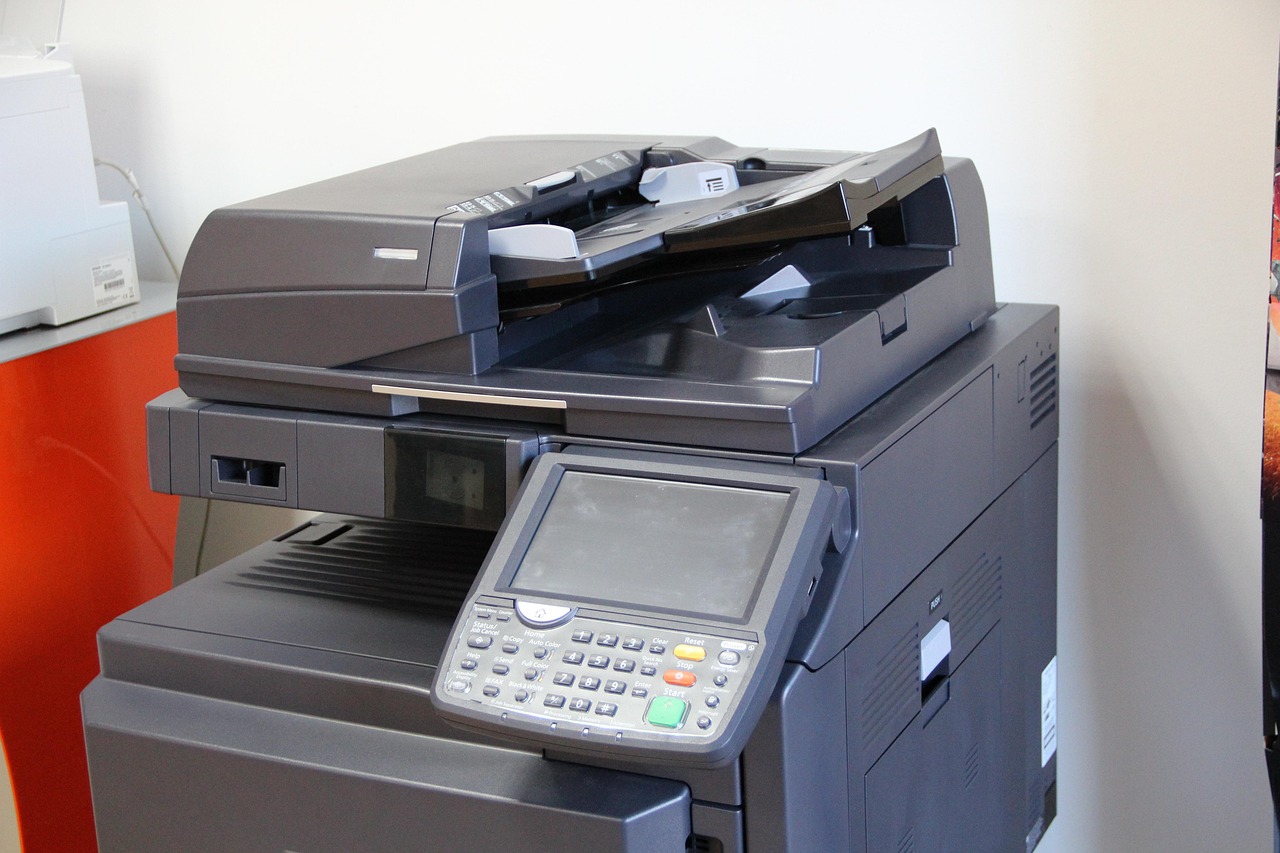
Modern copiers contain hundreds of mechanical and electronic components that require replacement during their lifecycle.
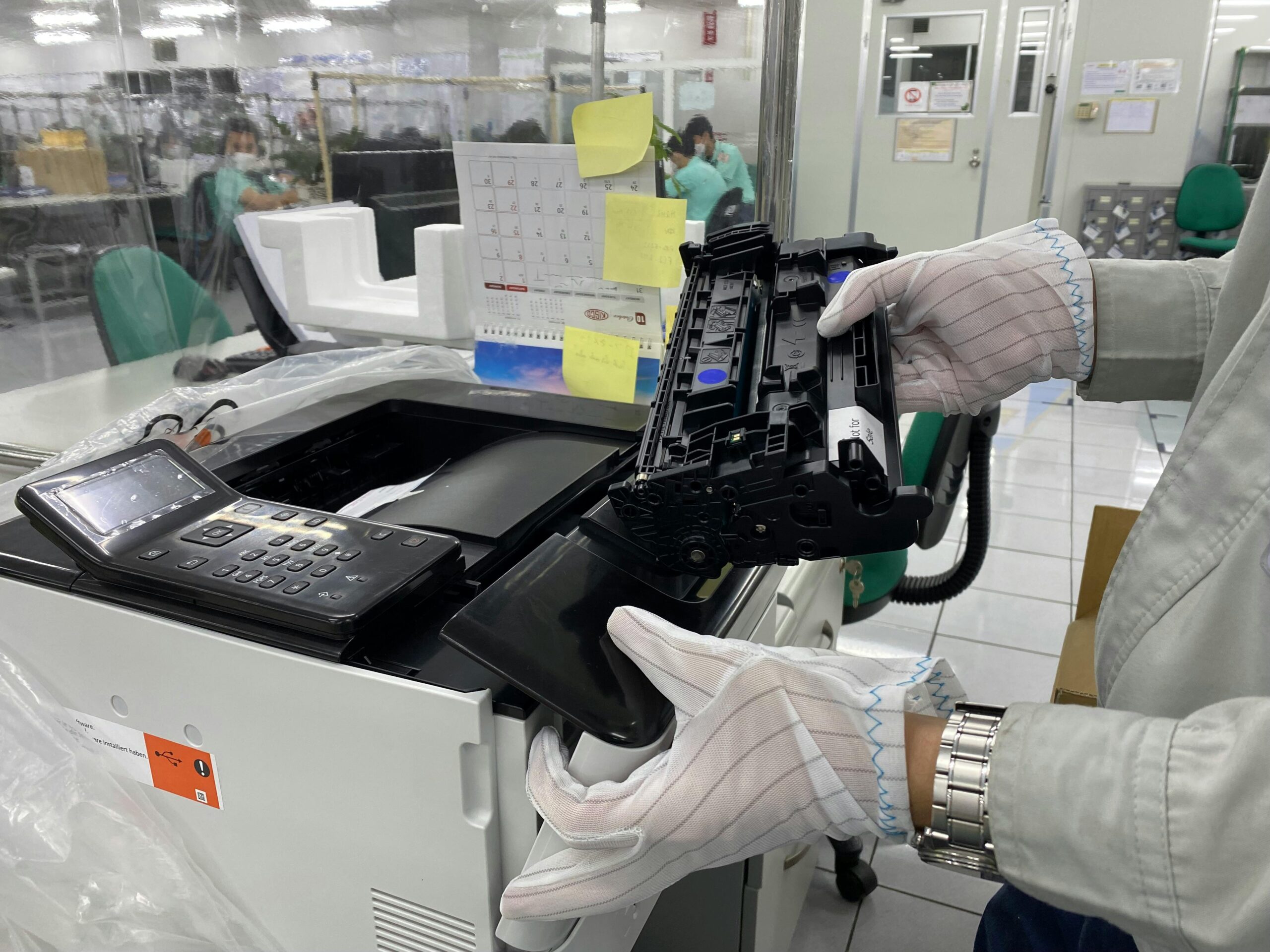
Imaging Components
Common imaging components include:
- OPC drums
- Drum units
- Developer units
- Charge rollers
- Cleaning blades
These parts directly affect image quality and machine performance.
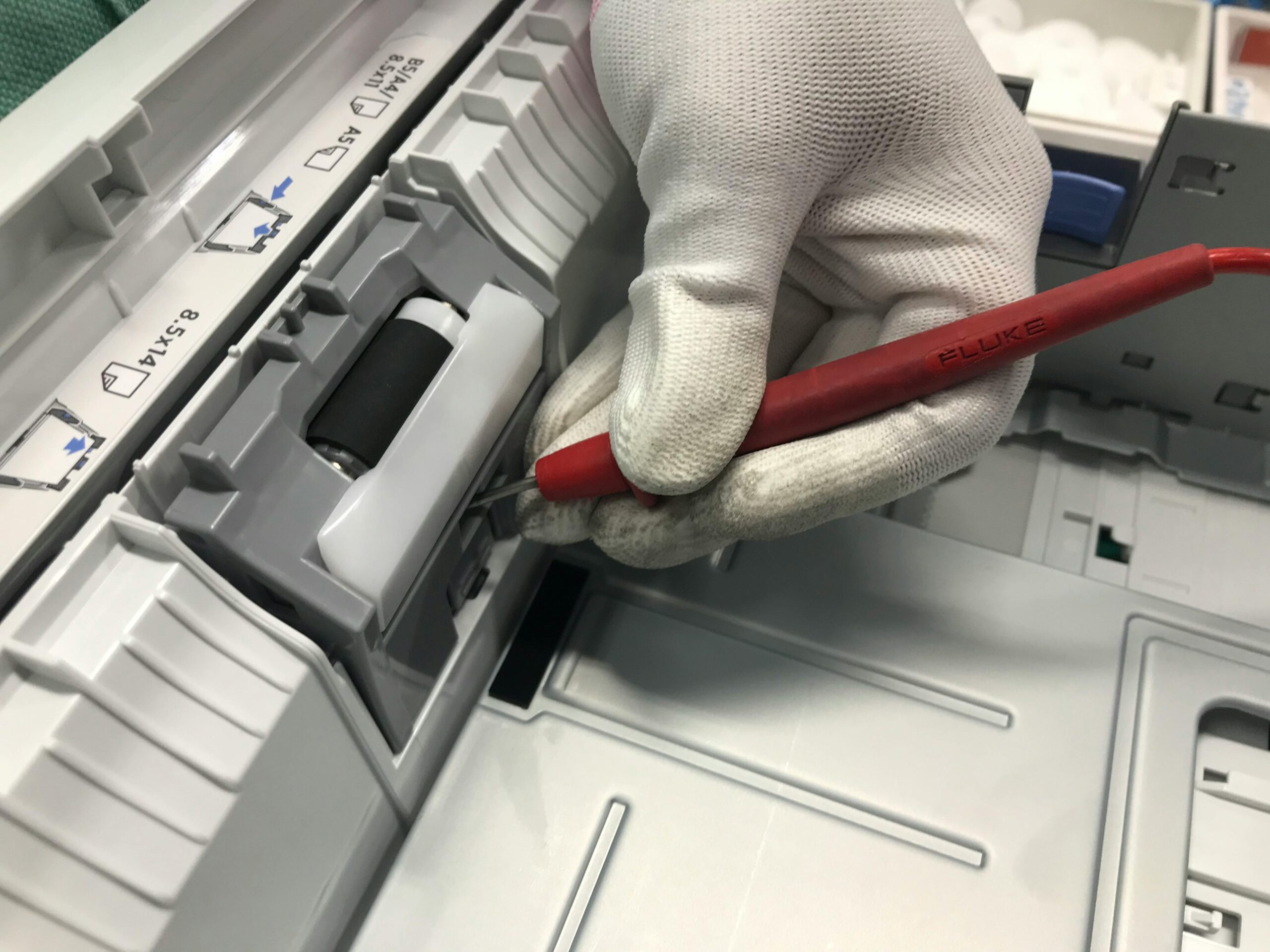
Paper Feeding Components
Paper feeding systems rely on:
- Pickup rollers
- Feed rollers
- Separation rollers
These components help ensure smooth paper transport and reduce paper jams.
Transfer Components
Transfer systems typically include:
- Transfer rollers
- Transfer belts
- Intermediate transfer units
These components transfer toner from the drum to the paper.
Fixing Components
Fusing systems include:
- Fuser assemblies
- Pressure rollers
- Heat rollers
- Thermistors
These parts permanently bond toner to the page.
Maintenance Components
Additional maintenance parts may include:
- Waste toner containers
- Sensors
- Gears
- Cleaning units
A reliable copier parts supplier should offer comprehensive coverage across these categories.
Key Factor #1: Product Quality and Reliability
Quality should always be the primary consideration when selecting a copier parts supplier.
Poor-quality parts can cause:
- Frequent machine failures
- Repeat service visits
- Lower print quality
- Increased maintenance costs
Material Quality
High-quality raw materials contribute to longer service life and more stable performance.
Manufacturing Standards
Precision manufacturing helps ensure that parts meet original equipment specifications.
Compatibility Testing
Reliable suppliers conduct testing to verify compatibility with supported copier models.
Performance Verification
Finished products should undergo quality inspections before shipment to ensure consistency.
Key Factor #2: Comprehensive Product Range
A supplier with a broad product portfolio simplifies procurement and inventory management.
Look for suppliers that support major brands such as:
- Konica Minolta
- Canon
- Ricoh
- Xerox
- Sharp
- Toshiba
- Kyocera
Sourcing multiple product categories from one supplier can reduce purchasing complexity and logistics costs.
Key Factor #3: Inventory Availability
Fast access to parts is essential in the copier service industry.
Questions to consider include:
- Does the supplier maintain stock?
- What are the typical lead times?
- Can urgent orders be fulfilled?
- Is there a safety stock program?
Suppliers with strong inventory management systems can help reduce customer downtime.
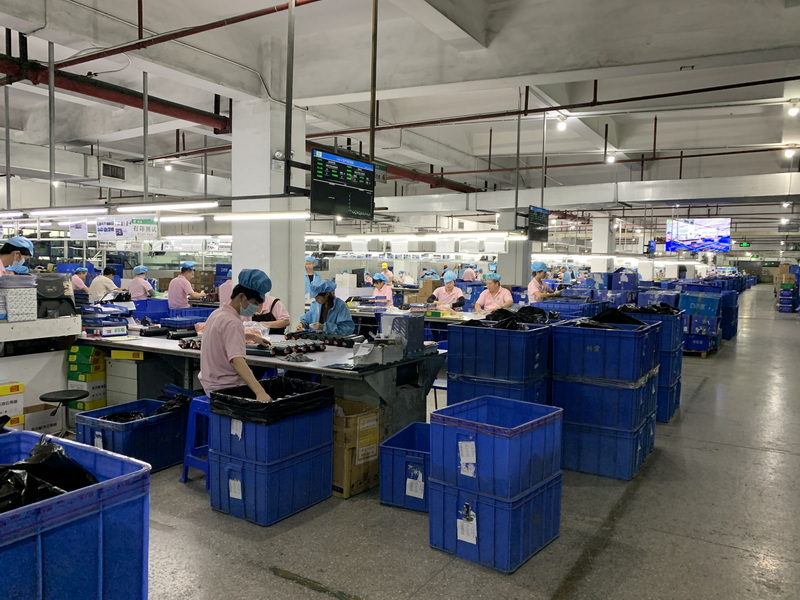
Key Factor #4: Manufacturing and Sourcing Capabilities
Understanding whether a supplier is a manufacturer or a trading company is important.
Better Quality Control
Manufacturers have greater control over production quality.
More Competitive Pricing
Factory-direct sourcing often reduces costs by eliminating intermediaries.
Faster Product Development
Manufacturers can respond more quickly to new market demands.
Improved Technical Knowledge
Direct manufacturers usually have deeper product expertise.
For buyers seeking long-term stability, working directly with a manufacturer often provides significant advantages.
Key Factor #5: Technical Support and Expertise
Technical support can be just as important as product quality.
A qualified supplier should assist with:
- Product identification
- Compatibility confirmation
- Installation guidance
- Troubleshooting
Strong technical support helps technicians solve problems more efficiently.
Key Factor #6: Consistent Supply Chain Performance
Supply chain reliability directly affects customer satisfaction.
Stable Production Capacity
A dependable supplier should be capable of supporting both routine and large-volume orders.
Reliable Shipping Processes
Efficient logistics help ensure on-time delivery.
Multiple Supply Sources
Diversified sourcing reduces supply chain risks.
Forecast Planning
Inventory forecasting improves product availability during peak demand periods.
Key Factor #7: Competitive Pricing Without Sacrificing Quality
Price should be evaluated alongside overall value.
The cheapest option may result in:
- Higher failure rates
- Increased warranty claims
- Additional labor costs
Businesses should focus on total cost of ownership rather than unit price alone.
Key Factor #8: OEM and Private Label Opportunities
Many distributors seek opportunities to strengthen their own brand presence.
OEM Services
Customized manufacturing solutions tailored to customer requirements.
Private Label Packaging
Custom packaging helps distributors build stronger brand recognition.
Product Label Customization
Brand-specific labels improve market differentiation.
Marketing Support
Professional suppliers often provide product specifications, images, and promotional materials.
Key Factor #9: International Export Experience
For overseas buyers, export experience is a major advantage.
Experienced suppliers understand:
- Customs procedures
- International logistics
- Packaging standards
- Market-specific requirements
This expertise helps reduce purchasing risks and shipping delays.
Key Factor #10: Long-Term Partnership Potential
The best supplier relationships are built on trust and long-term cooperation.
A strong partner offers:
- Consistent product quality
- Stable pricing
- Responsive communication
- Ongoing support
Long-term partnerships often create more value than frequently switching suppliers.
Why China Has Become a Leading Source for Copier Parts
China has developed into one of the world’s leading manufacturing centers for copier and printer components.
Mature Manufacturing Infrastructure
China’s manufacturing ecosystem supports efficient production and supply chain management.
Extensive Product Selection
Thousands of compatible copier parts are available across major brands.
Competitive Cost Structure
Large-scale production helps reduce manufacturing costs.
Strong Engineering Resources
Experienced engineering teams continue to improve product quality and compatibility.
Export Experience
Many Chinese toner cartridge manufacturers have extensive experience serving global markets.
Why TOC Is a Trusted Copier Parts Supplier
TOC is committed to helping distributors, dealers, and service providers source dependable copier parts with confidence.
As a professional copier parts supplier, TOC offers:
- Extensive product coverage
- Stable inventory availability
- Strict quality control
- Competitive factory-direct pricing
- OEM and private label solutions
- Responsive customer support
Our goal is to help customers improve service efficiency, reduce downtime, and grow their businesses through reliable copier parts solutions.
Conclusion
Choosing the right copier parts supplier is a strategic decision that affects service quality, operational efficiency, and long-term profitability.
Rather than focusing solely on pricing, businesses should evaluate suppliers based on quality control, inventory management, technical expertise, manufacturing capabilities, and partnership potential.
By working with a trusted supplier such as TOC, distributors and service providers can reduce risks, improve customer satisfaction, and build a stronger competitive position in the office equipment industry.
Frequently Asked Questions
What should I look for in a copier parts supplier?
Look for quality assurance, inventory availability, technical support, competitive pricing, and industry experience.
Why is product quality important for copier parts?
High-quality parts reduce machine downtime, improve performance, and lower maintenance costs.
Should I buy from a manufacturer or a trading company?
Manufacturers often provide better pricing, stronger quality control, and more direct technical support.
Why are many copier parts sourced from China?
China offers mature manufacturing capabilities, extensive product selection, competitive pricing, and strong export experience.
Does TOC provide OEM copier parts solutions?
Yes. TOC supports OEM and private label programs designed to help distributors and dealers build their own brands and expand their market presence.