




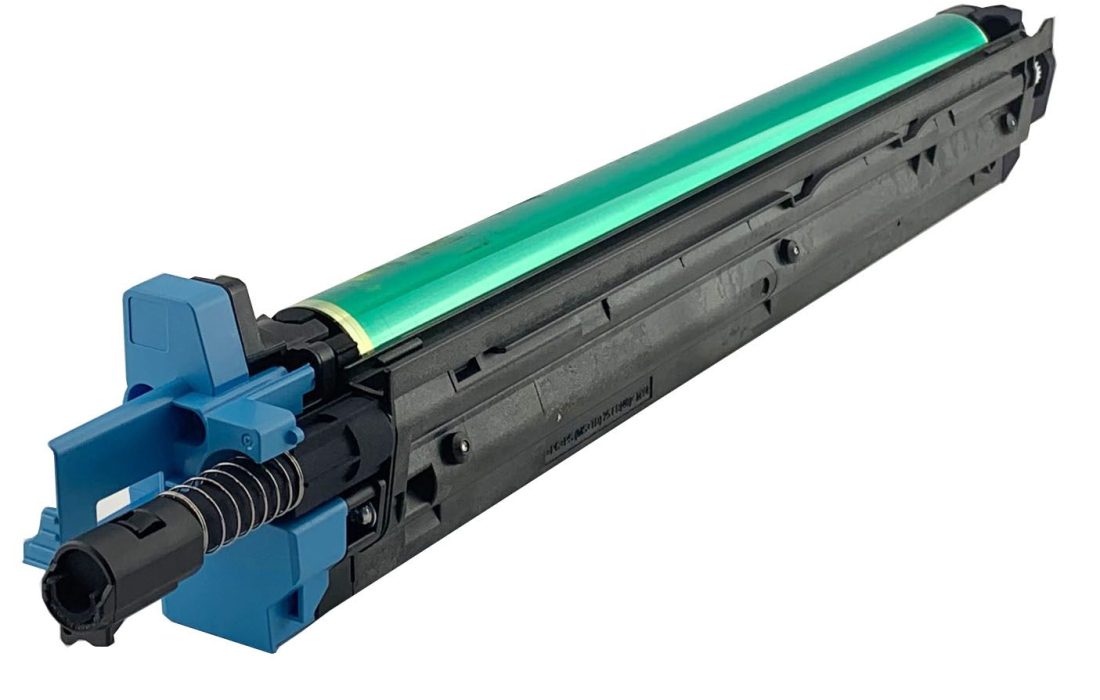
In modern office printing systems, many components work together to produce clear documents and professional images. Among these components, the drum unit plays a fundamental role in the printing process. Although toner cartridges often receive the most attention when discussing printer consumables, the drum unit is actually responsible for forming the image that ultimately appears on the paper.
For businesses that rely heavily on printers and copiers—such as offices, print service providers, schools, hospitals, and government departments—understanding how drum units work can significantly improve printing efficiency and machine reliability. A high-quality drum unit ensures sharp text, smooth graphics, and stable printer operation, while a worn or poorly manufactured drum unit may cause printing defects and increase maintenance costs.
Manufacturers such as TOC, which specialize in compatible copier and printer consumables, focus on producing reliable drum units that maintain consistent performance throughout their service life. By understanding the importance of this component, businesses can make better decisions when selecting printing supplies.
What Is a Drum Unit?
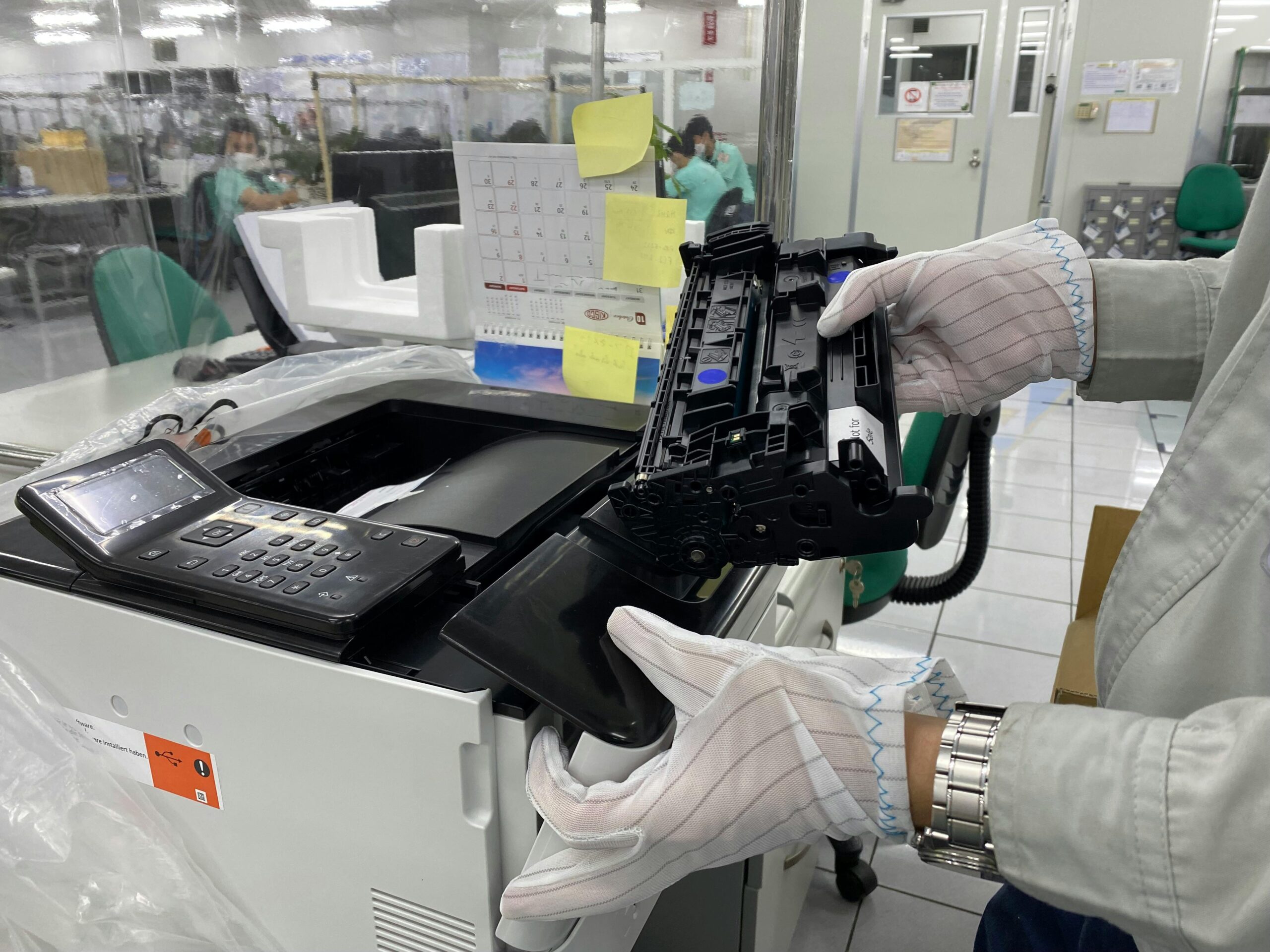
A drum unit, sometimes referred to as an imaging drum or photoconductor drum, is a cylindrical component located inside laser printers and copiers. Its primary function is to transfer the toner image onto paper.
The surface of the drum is coated with a special photosensitive material. This material reacts to light and electrical charges during the printing process. By using electrostatic technology, the drum creates a temporary image of the page to be printed. Toner particles then attach to this image before being transferred to the paper.
Because the drum directly forms the printed image, the condition of the drum surface has a direct influence on the clarity and accuracy of printed documents. A smooth and properly functioning drum allows the printer to reproduce text and images with precision.
How the Drum Unit Works in the Printing Process
Laser printers use a sophisticated electrostatic process to create printed pages. The drum unit is at the center of this system.
Charging the Drum
The printing process begins when the printer applies a uniform electrical charge to the drum surface. This prepares the drum to receive the image pattern that will later be formed by the laser.
Laser Imaging
A laser beam scans across the drum surface and selectively removes the electrical charge in specific areas. These discharged areas represent the text and images of the page being printed. This process creates an invisible electrostatic image on the drum.
Toner Attraction
Toner particles from the toner cartridge are attracted to the charged areas of the drum. The toner forms a visible version of the electrostatic image created by the laser.
Image Transfer to Paper
The toner image is then transferred from the drum onto the paper as it passes through the printer.
Fusing the Image
Finally, the fuser unit applies heat and pressure to melt the toner into the fibers of the paper, producing a permanent printed image.
Throughout this entire process, the drum unit must maintain precise electrical properties and a smooth surface to ensure consistent printing performance.
How Drum Units Affect Print Quality
The drum unit has a direct and measurable impact on the quality of printed documents. When the drum is functioning properly, it produces sharp text, accurate lines, and evenly distributed toner. However, when the drum begins to wear out or becomes damaged, several print issues may appear.
Faded Prints
If the drum can no longer maintain a consistent electrical charge, toner may not adhere properly to the drum surface. This can lead to faded or light printing results.
Repeating Marks or Spots
Scratches or defects on the drum surface often create repeating marks on printed pages. Because the drum rotates during printing, the same mark may appear at regular intervals across the page.
Background Shading
A damaged drum coating may allow toner to spread to areas that should remain blank, creating gray backgrounds or unwanted shading.
Blurry or Uneven Text
Uneven toner transfer can cause text and graphics to appear blurred, distorted, or inconsistent.
These problems not only affect document quality but can also reduce the professional appearance of printed materials.
How Drum Units Influence Machine Lifespan
The drum unit does more than affect print quality—it also influences the long-term reliability of the printer or copier.
Low-quality drum units may produce excess toner dust or debris, which can accumulate inside the printer. Over time, this buildup may interfere with internal components such as rollers, sensors, and transfer belts.
Poor drum performance can also lead to increased friction or improper toner distribution, placing additional stress on other printer components. These issues may result in more frequent maintenance, unexpected downtime, and higher repair costs.
For businesses that rely on high-volume printing, using reliable drum units is essential. Compatible drum units produced by manufacturers like TOC are designed to provide stable performance while helping protect the internal mechanisms of printers and copiers.
Drum Unit vs Toner Cartridge
Many printer users confuse drum units with toner cartridges, but the two components perform different functions within the printing system.
- Toner Cartridge: Stores the toner powder used to create printed images.
- Drum Unit: Transfers the toner image onto the paper.
In some printer models, the toner cartridge and drum unit are combined into a single assembly. However, in many office printers and copiers they are separate components.
Typically, a drum unit lasts longer than a toner cartridge and may support several toner replacements before needing to be replaced itself. Understanding this difference helps businesses plan maintenance schedules and reduce printing disruptions.
Signs That Your Drum Unit Needs Replacement
Even the best drum units eventually reach the end of their service life. Recognizing the warning signs can help prevent printing issues and maintain consistent document quality.
Common indicators include:
- Repeating lines or spots on printed pages
- Faded or uneven printing
- Gray background shading
- Vertical streaks or smudges
- Printer alerts indicating drum replacement
If these problems continue after replacing the toner cartridge, the drum unit may need to be replaced.
Advantages of Compatible Drum Units
Many businesses choose compatible drum units as an alternative to OEM products. When manufactured properly, compatible drum units can deliver excellent performance while offering significant cost savings.
Reduced Printing Costs
Compatible drum units typically cost less than OEM versions, allowing businesses to reduce overall printing expenses.
Comparable Performance
High-quality compatible drum units are engineered to meet the same performance standards as original manufacturer products.
Broad Compatibility
Professional manufacturers produce drum units designed for multiple printer models and brands, providing flexible options for distributors and end users.
Sustainable Printing
Using compatible consumables can reduce manufacturing waste and support environmentally responsible printing practices.
Why Choose TOC Compatible Drum Units
When selecting compatible consumables, the quality of the manufacturer is critical. TOC has built a reputation for producing reliable printer and copier components designed for professional use.
Precision Manufacturing
TOC uses advanced production equipment and strict quality control procedures to ensure each drum unit meets performance requirements.
Reliable Compatibility
Each drum unit is tested with major printer and copier models to ensure stable operation.
Long Service Life
Durable drum coatings help extend the lifespan of the unit and maintain consistent printing performance.
Consistent Image Quality
TOC drum units are engineered to deliver sharp text and smooth graphics throughout their lifecycle, making them suitable for demanding office environments.
Tips to Extend the Life of Your Drum Unit
Proper maintenance can help maximize the lifespan of a drum unit and maintain print quality.
- Avoid exposing the drum to direct sunlight or strong light sources.
- Keep the printer interior clean to prevent toner buildup.
- Use high-quality toner cartridges compatible with the drum unit.
- Follow the manufacturer’s recommended replacement schedule.
By following these practices, businesses can reduce downtime and improve the reliability of their printing systems.
Conclusion
The drum unit is one of the most important components inside a laser printer or copier. It plays a crucial role in transferring toner onto paper and producing clear, professional documents.
A well-manufactured drum unit ensures consistent image quality, smooth machine operation, and longer equipment lifespan. On the other hand, low-quality or worn drum units may lead to print defects, higher maintenance costs, and reduced productivity.
For businesses seeking dependable and cost-effective printing solutions, high-quality compatible drum units from manufacturers such as TOC provide a reliable alternative to OEM products. By selecting the right drum unit and maintaining it properly, companies can achieve excellent printing performance while controlling operational costs.