




Printing remains an essential part of daily operations for many businesses. Offices, schools, hospitals, and commercial print centers all rely on printers and copiers to produce documents, reports, marketing materials, and operational paperwork. However, as printing volumes increase, the associated costs can quickly become a significant expense.
For distributors, resellers, and businesses that manage large fleets of printers and copiers, finding ways to reduce printing costs without sacrificing print quality is a top priority. While cutting expenses is important, poor print results can negatively impact productivity, brand image, and customer satisfaction.
The good news is that there are several proven strategies that help organizations lower their printing expenses while maintaining professional-quality output. From selecting the right consumables to optimizing printer settings, small changes can make a big difference.
In this guide, we explore the most effective ways to reduce printing costs while ensuring consistent, high-quality results. We will also examine how reliable compatible supplies such as TOC printer consumables can help businesses achieve both cost efficiency and performance.
Understanding Where Printing Costs Come From
Before implementing cost-saving strategies, it is important to understand the key factors that contribute to overall printing expenses.
Printing costs typically include:
- Toner or ink cartridges
- Drum units and other consumables
- Paper and specialty media
- Printer maintenance and repairs
- Energy consumption
- Equipment depreciation
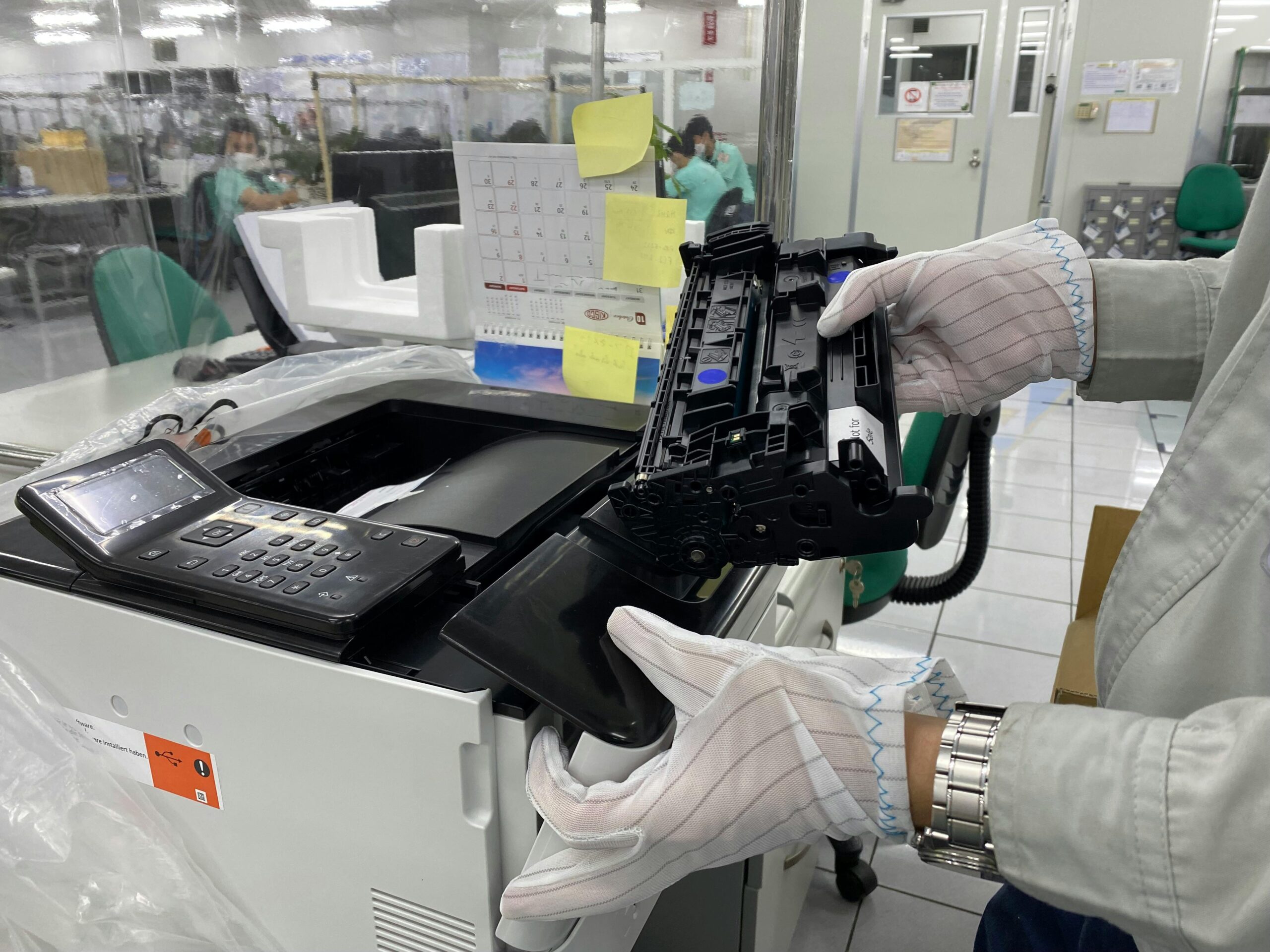
Among these factors, printer consumables—especially toner cartridges—often account for the largest portion of printing costs. Therefore, optimizing consumable usage is one of the most effective ways to reduce overall expenses.
Choose High-Quality Compatible Toner Cartridges
One of the most effective strategies for lowering printing costs is switching from OEM toner cartridges to high-quality compatible alternatives.
OEM cartridges produced by printer manufacturers are typically priced at a premium. While they provide reliable performance, many businesses find the cost difficult to justify, especially for high-volume printing environments.
Compatible toner cartridges offer a cost-effective alternative.
Significant Cost Savings
Compatible cartridges are often 30% to 60% less expensive than OEM products, making them an attractive option for businesses that want to reduce operational expenses.
When multiplied across large print volumes, these savings can have a substantial impact on a company’s annual printing budget.
Reliable Print Quality
Modern compatible cartridges are manufactured using advanced production techniques and high-quality toner formulations. When produced by reputable manufacturers, they can deliver print quality that closely matches OEM standards.
TOC compatible toner cartridges, for example, are designed with strict quality control processes to ensure stable performance and consistent output across a wide range of printer models.
Stable Supply for Distributors
For distributors and resellers, compatible toner also offers greater flexibility in pricing and supply chain management. Working with a trusted brand like TOC allows partners to offer competitive products while maintaining strong profit margins.
Optimize Printer Settings for Cost Efficiency
Many businesses overlook the fact that printer settings can significantly affect printing costs. Adjusting certain settings can help reduce toner consumption while maintaining acceptable output quality.
Use Draft Mode for Internal Documents
Draft or economy mode uses less toner when printing documents. While this setting may slightly reduce print density, it is usually sufficient for internal reports, drafts, or internal communications.
Using draft mode regularly can extend cartridge life and reduce replacement frequency.
Print in Grayscale When Possible
Color printing typically consumes multiple cartridges at once. For documents that do not require color graphics, switching to grayscale printing can dramatically reduce consumable usage.
This strategy is especially useful in office environments where many documents are text-based.
Adjust Print Resolution
Higher print resolution consumes more toner and processing power. For everyday office documents, a moderate resolution setting is often sufficient and helps reduce printing costs over time.
Implement Smart Printing Policies
Organizations can significantly reduce printing expenses by establishing clear printing policies for employees.
Encourage Digital Documents
Many documents can be shared digitally instead of printed. Using cloud storage, collaboration tools, and digital signatures helps reduce unnecessary printing.
This not only saves toner and paper but also improves workflow efficiency.
Restrict Color Printing
Some companies implement printer access controls that limit color printing to authorized users. Since color printing is more expensive, restricting access can prevent unnecessary usage.
Monitor Print Usage
Modern printer management software allows companies to monitor printing behavior and identify areas where resources are being wasted. By analyzing usage patterns, businesses can implement targeted improvements to reduce costs.
Maintain Printers Properly
Printer maintenance plays an important role in controlling long-term printing costs. Poorly maintained machines may experience frequent breakdowns, inefficient toner usage, or reduced print quality.
Regular Cleaning
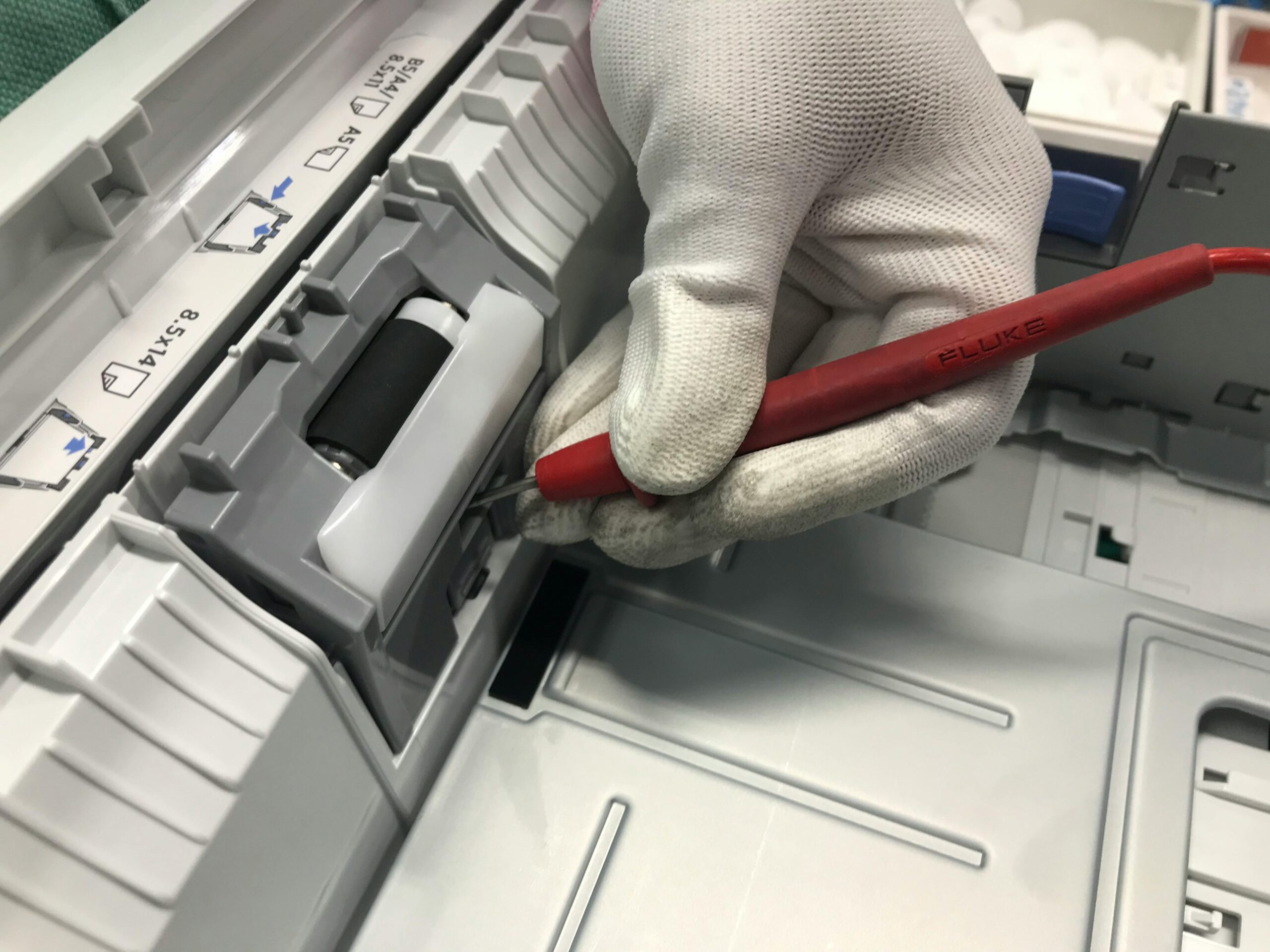
Dust and toner residue can accumulate inside printers over time, affecting print quality and mechanical performance. Regular cleaning helps keep the printer running efficiently.
Replace Consumables on Time
Using worn-out drums, transfer belts, or other components can lead to poor print results and wasted toner. Replacing consumables according to recommended cycles ensures optimal performance.
Use Reliable Supplies
Low-quality cartridges can cause leakage, clogging, or inconsistent toner distribution. These problems not only waste consumables but may also damage printer components.
High-quality compatible products such as TOC toner cartridges are designed to work smoothly with compatible printer models, helping to minimize maintenance issues.
Choose the Right Printer for the Job
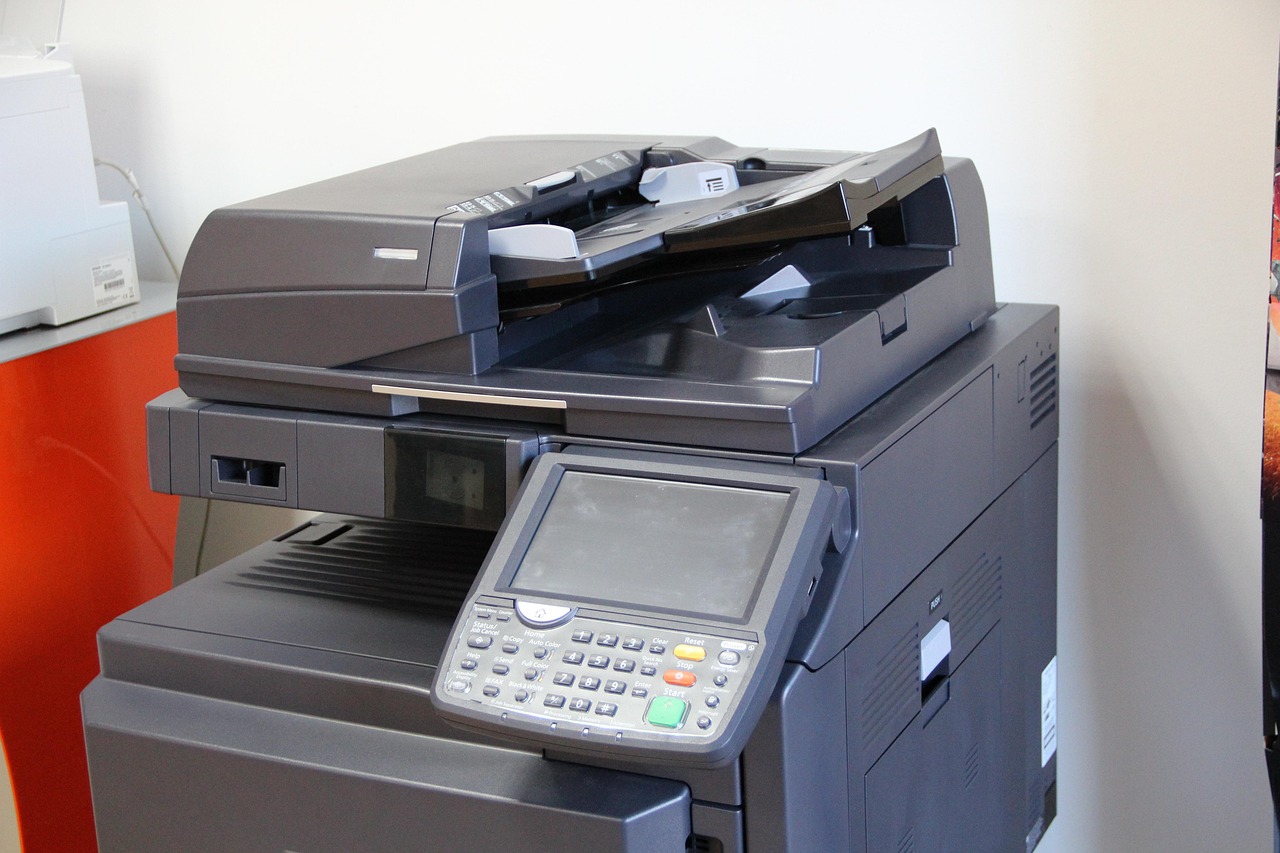
Another effective way to reduce printing costs is selecting the appropriate printer or copier for specific workloads.
High-Yield Cartridges for Large Offices
High-yield toner cartridges contain more toner and produce a greater number of printed pages before replacement. They are ideal for organizations with high printing volumes.
Dedicated Devices for Different Tasks
Using specialized printers for different tasks—such as high-speed office printing versus high-resolution graphics printing—can improve efficiency and reduce unnecessary consumable usage.
Work With Reliable Consumable Suppliers
For distributors and B2B buyers, choosing the right supplier is crucial to maintaining consistent product quality and competitive pricing.
A reliable supplier should provide:
- Stable product quality
- Strict manufacturing standards
- Wide compatibility with major printer brands
- Competitive wholesale pricing
- Consistent global supply
TOC printer consumables are developed with these requirements in mind. By focusing on quality control and compatibility testing, the brand ensures that distributors and businesses receive dependable products that balance cost savings with professional printing performance.
Environmental Benefits of Cost-Efficient Printing
Reducing printing costs often aligns with environmental sustainability goals. Lower toner consumption and reduced printing volumes lead to less waste and lower energy usage.
Some additional eco-friendly practices include:
- Recycling used cartridges
- Using recycled paper
- Implementing duplex (double-sided) printing
- Choosing long-life consumables
By adopting these practices, organizations can reduce both their operational costs and environmental footprint.
Conclusion
Reducing printing costs does not have to mean sacrificing print quality. With the right strategies, businesses can significantly lower their printing expenses while maintaining professional results.
Key approaches include switching to high-quality compatible toner cartridges, optimizing printer settings, implementing smart printing policies, and maintaining equipment properly. These steps help extend the life of consumables and improve overall printing efficiency.
Brands such as TOC provide reliable compatible toner solutions that combine performance, stability, and cost efficiency. For distributors, resellers, and businesses looking to control printing expenses, choosing trusted consumable suppliers is an essential part of a successful cost-reduction strategy.
By understanding how printing systems work and making informed decisions about consumables and usage, organizations can achieve the perfect balance between cost savings and high-quality printing output.