



In the global printing industry, one of the most common questions asked by distributors and resellers is whether compatible toner cartridges or OEM toner cartridges offer the better business opportunity. For companies that supply printing consumables to offices, government institutions, schools, and print service providers, understanding the differences between these two options is essential.
OEM toner cartridges are produced by the original printer manufacturers, while compatible toner cartridges are manufactured by third-party companies designed to work with specific printer models. Both types serve the same purpose—delivering toner to produce printed documents—but they differ significantly in cost, supply chain flexibility, and profit potential.
For distributors, the choice between OEM and compatible products can directly affect profit margins, market competitiveness, and customer satisfaction. Many distributors today are turning toward high-quality compatible toner cartridges produced by professional manufacturers such as TOC, which provide reliable performance at a more competitive price.
This article explores the key differences between compatible and OEM toner cartridges and explains why understanding these differences is critical for distributors in the printer consumables market.
What Are OEM Toner Cartridges?
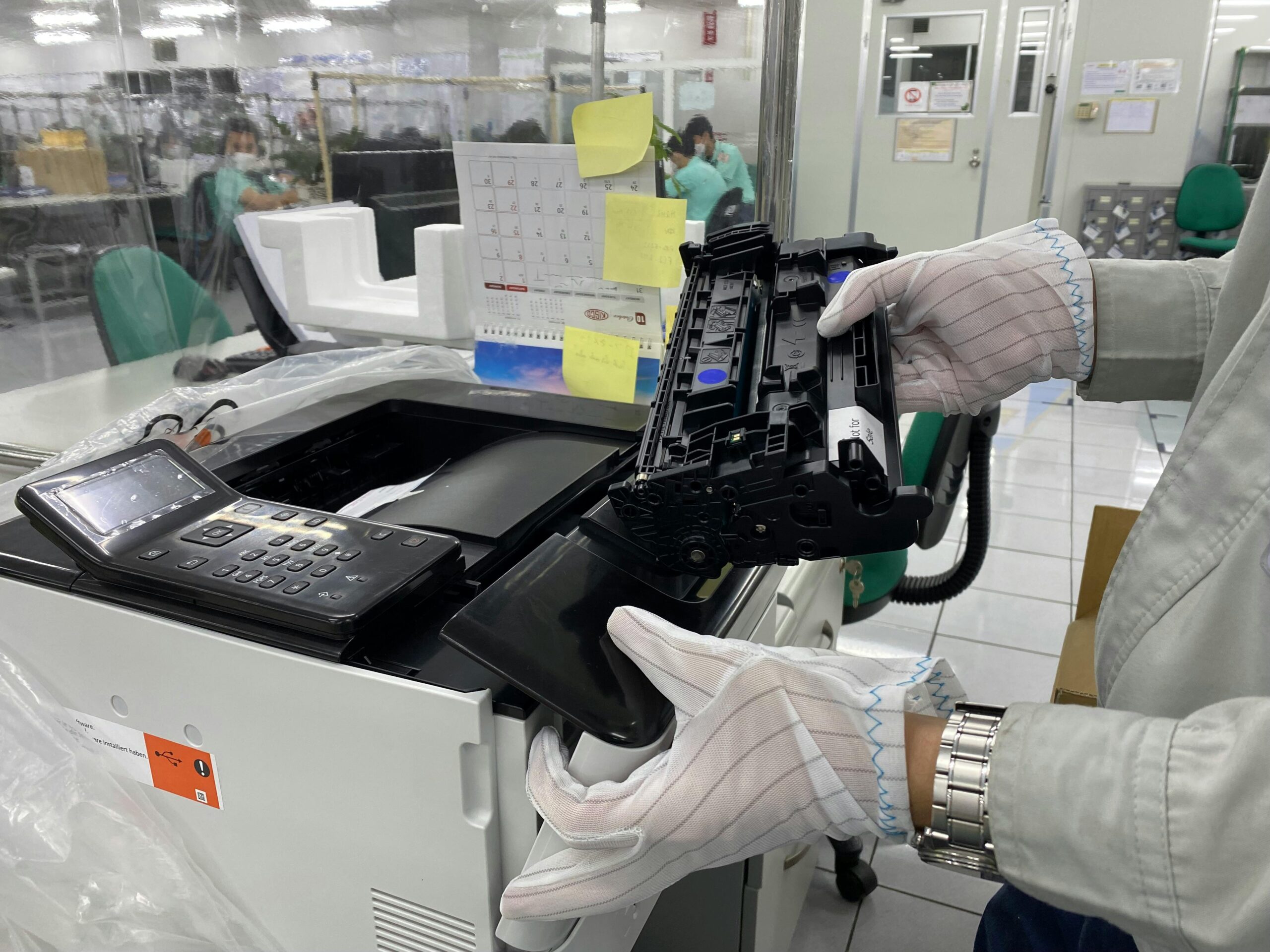
OEM stands for Original Equipment Manufacturer. OEM toner cartridges are produced by the same company that manufactures the printer or copier itself. For example, major printer brands design toner cartridges specifically for their machines and sell them as original supplies.
OEM cartridges are often marketed as the safest option because they are designed by the printer manufacturer. They typically undergo strict quality testing and are optimized for compatibility with the company’s devices.
However, OEM cartridges are usually sold at a premium price. Printer manufacturers often generate a significant portion of their revenue from consumables, which is why original toner cartridges tend to be much more expensive than alternatives.
For distributors, this high price point can create challenges in competitive markets where customers are looking for more cost-effective printing solutions.
What Are Compatible Toner Cartridges?
Compatible toner cartridges are manufactured by third-party companies and designed to function with specific printer models without infringing on patents. These cartridges are engineered to match the specifications of OEM products while offering a more affordable alternative.
High-quality compatible cartridges are produced using advanced manufacturing processes and strict quality control standards. When manufactured by experienced suppliers, compatible toner cartridges can deliver performance that is very close to OEM products.
Manufacturers such as TOC specialize in producing compatible toner cartridges for a wide range of printer and copier brands. By focusing on engineering precision and material quality, these manufacturers aim to provide reliable printing performance while reducing overall printing costs.
Compatible cartridges have become increasingly popular among businesses that print frequently and need to control operating expenses.
Key Differences Between Compatible and OEM Toner Cartridges
Understanding the differences between OEM and compatible toner cartridges is essential for distributors who want to offer the right solutions to their customers.
Price and Cost Efficiency
One of the most obvious differences between OEM and compatible toner cartridges is the price.
OEM toner cartridges are typically priced significantly higher than compatible alternatives. This pricing strategy allows printer manufacturers to maintain high margins on consumables.
Compatible toner cartridges, on the other hand, are usually 30–60% more affordable than OEM products. For businesses with large printing volumes, this cost difference can translate into substantial savings.
For distributors, compatible toner cartridges provide an opportunity to offer competitive pricing while maintaining healthy profit margins.
Product Availability and Supply Flexibility
OEM toner cartridges are supplied exclusively by the printer manufacturer and their authorized distribution channels. This can sometimes create supply limitations or price fluctuations depending on regional availability.
Compatible toner manufacturers, however, often provide more flexible supply chains. Distributors can work directly with manufacturers to secure stable inventory and customized order quantities.
Companies like TOC focus on providing consistent product availability to global distributors, which helps reduce supply chain risks.
Performance and Print Quality
One concern often raised about compatible toner cartridges is whether they can match the print quality of OEM products.
In the past, quality differences were more noticeable. However, modern compatible toner manufacturers have made significant technological improvements.
High-quality compatible toner cartridges now provide:
- Sharp text and graphics
- Consistent toner distribution
- Stable page yields
- Reliable compatibility with printer models
When produced by experienced manufacturers with strict quality control, compatible toner cartridges can perform very similarly to OEM products in everyday office printing environments.
Warranty and Customer Perception
Some customers believe that using compatible toner cartridges may void the printer warranty. In many regions, consumer protection regulations prevent manufacturers from voiding warranties solely because third-party consumables are used.
However, customer perception can still influence purchasing decisions. Distributors often need to educate their customers about the reliability and safety of high-quality compatible toner cartridges.
By working with trusted manufacturers such as TOC, distributors can confidently provide products that meet professional quality standards.
Environmental Impact
Environmental sustainability has become an important factor in the printing industry.
Compatible toner cartridges can help reduce environmental impact in several ways:
- Reusing cartridge designs and components
- Reducing manufacturing waste
- Lowering material consumption
- Supporting recycling programs
Many compatible toner manufacturers actively invest in environmentally responsible production processes.
For businesses seeking greener printing solutions, compatible toner cartridges can provide both economic and environmental benefits.
Why Many Distributors Choose Compatible Toner
In recent years, the global market for compatible printer consumables has grown rapidly. Many distributors are shifting their focus toward compatible toner products due to several business advantages.
Compatible toner cartridges offer:
- Higher profit margins
- Competitive pricing for customers
- Flexible supply chains
- Wider product selections
- Opportunities for private labeling and branding
Because of these advantages, compatible toner cartridges have become an attractive option for distributors seeking long-term growth in the printer consumables market.
Why Work With a Reliable Manufacturer Like TOC
When entering the compatible toner market, choosing the right manufacturing partner is critical. Product quality, consistency, and technical expertise can directly influence customer satisfaction and brand reputation.
TOC specializes in producing compatible toner cartridges and copier consumables designed for professional use. The company focuses on delivering reliable products that meet the expectations of distributors and business customers worldwide.
Key strengths of TOC include:
Strict Quality Control
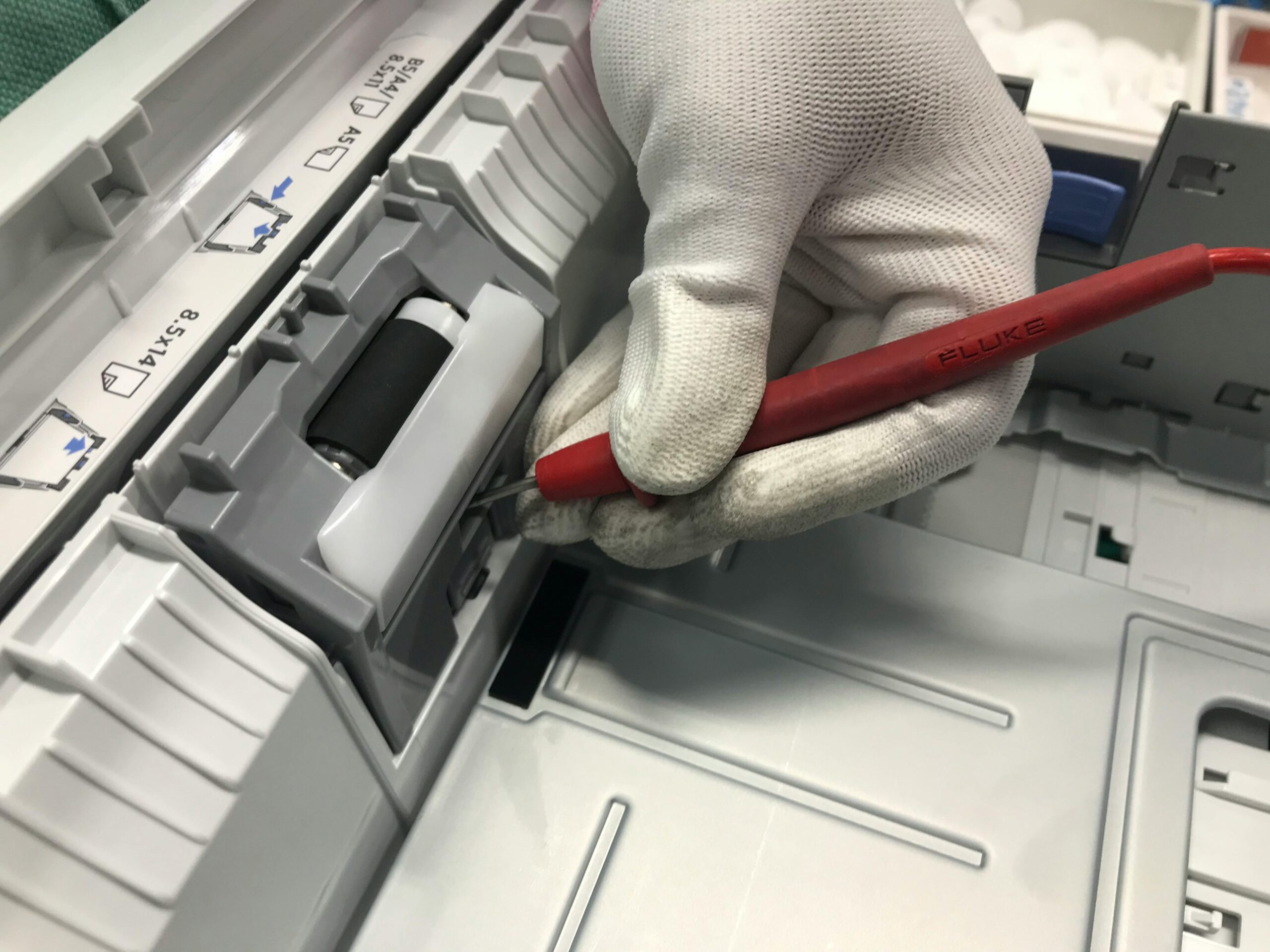
Each product undergoes multiple testing procedures to ensure compatibility and print performance.
Advanced Manufacturing Technology
Modern production equipment helps ensure precise toner formulation and consistent cartridge assembly.
Broad Product Range
TOC offers compatible toner solutions for many popular printer and copier models used in offices around the world.
Stable Global Supply
By maintaining efficient production capacity and logistics systems, TOC supports distributors with reliable supply availability.
These factors make TOC a dependable partner for distributors looking to expand their compatible toner product lines.
Choosing the Right Toner Strategy for Your Distribution Business
For distributors, the decision between OEM and compatible toner cartridges depends on market demand, customer preferences, and business strategy.
OEM cartridges may appeal to customers who prefer original branded supplies. However, their higher price often limits market competitiveness.
Compatible toner cartridges provide a compelling alternative by offering similar performance at significantly lower cost. This allows distributors to serve a broader customer base while maintaining attractive profit margins.
Working with a reliable manufacturer such as TOC ensures that compatible toner cartridges deliver consistent quality and performance, helping distributors build long-term relationships with their customers.
Conclusion
The debate between compatible vs OEM toner cartridges continues to shape the global printing consumables market. While OEM cartridges offer brand recognition and manufacturer backing, compatible toner cartridges provide strong advantages in cost efficiency, supply flexibility, and distributor profitability.
For distributors seeking to remain competitive in today’s printing industry, high-quality compatible toner cartridges represent an important business opportunity.
By partnering with trusted manufacturers like TOC, distributors can confidently provide reliable printing solutions that balance performance, affordability, and long-term value for their customers.