



In the printing industry, ink cartridge performance plays a critical role in determining the final output quality of documents and images. Whether used in offices, print shops, or commercial environments, users expect prints to deliver consistent color, sharp details, and long-term stability. However, achieving these results depends on more than just the printer itself. The quality of the ink cartridge, the formulation of the ink, and the compatibility between components all influence the final printing performance.
For distributors, resellers, and procurement managers in the printer consumables market, understanding what affects ink cartridge performance is essential. It helps ensure customers receive reliable products while also reducing complaints related to color inconsistencies, fading, or unstable output.
In this article, we will explore the key factors that determine color accuracy and stability in ink cartridges, as well as how high-quality compatible solutions such as TOC printer consumables can provide dependable performance for professional printing needs.
Key Factors That Influence Ink Cartridge Performance
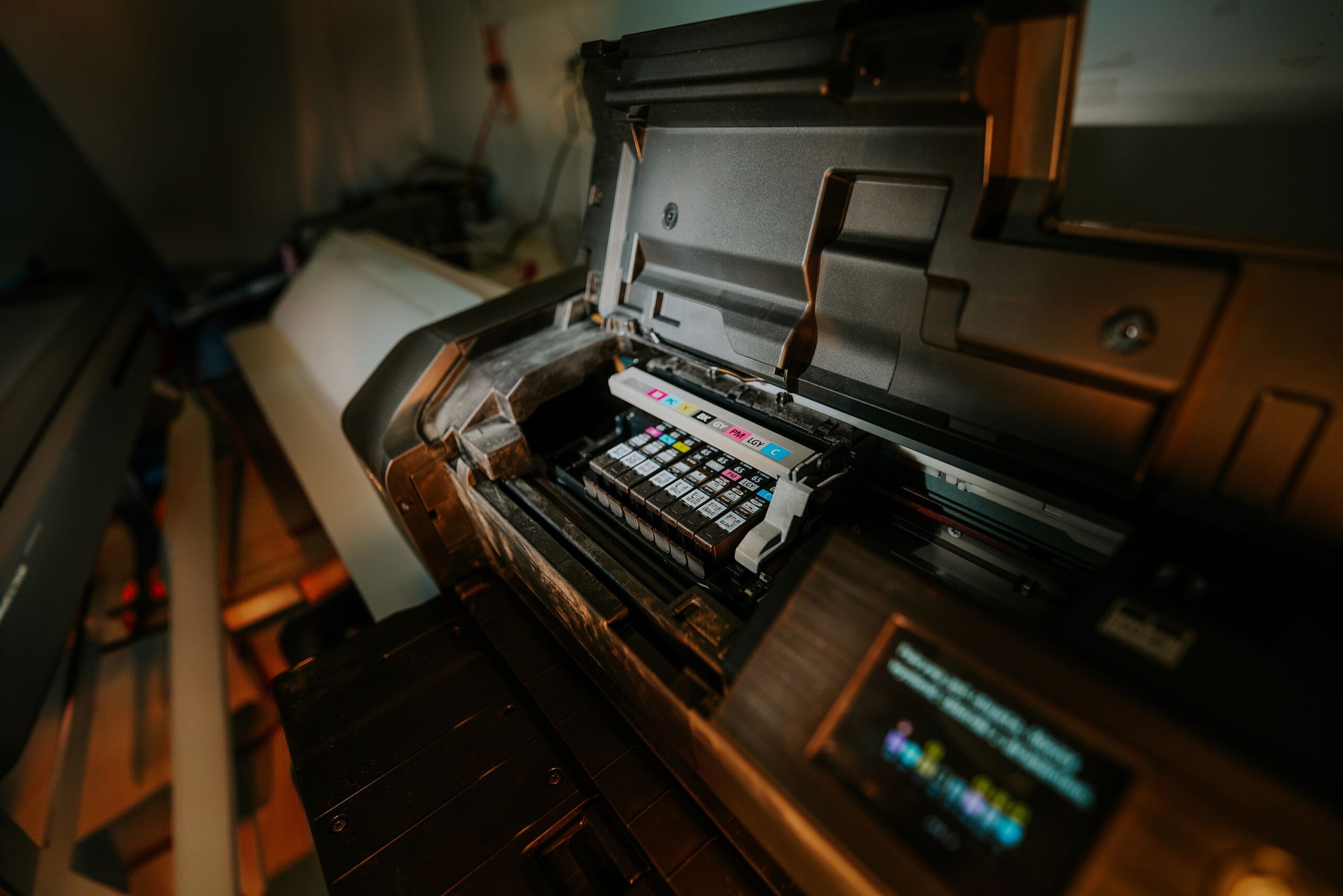
Ink cartridges are more complex than many users realize. Behind every printed image lies a carefully balanced combination of chemical formulation, cartridge design, and printer interaction.
Ink Formulation and Pigment Quality
The chemical composition of ink is one of the most important factors influencing printing results. High-quality inks are engineered with carefully balanced pigments or dyes that provide accurate color reproduction while maintaining stability over time.
Low-quality inks may contain unstable pigments or poorly mixed dye formulations. This can lead to color shifts, uneven output, or faster fading. Premium ink formulations are designed to maintain consistent color density and smooth flow through the printer’s printhead.
Manufacturers such as TOC invest heavily in ink research to ensure their compatible cartridges deliver color tones that closely match original equipment manufacturer (OEM) standards.
Cartridge Structure and Engineering
The internal structure of an ink cartridge directly affects its ability to deliver ink smoothly and consistently. A well-designed cartridge maintains proper pressure balance and prevents air from entering the ink delivery system.
Poorly engineered cartridges may suffer from:
- Ink leakage
- Air bubbles inside the ink chamber
- Irregular ink flow
These issues can cause streaks, faded areas, or inconsistent color distribution on printed pages.
High-quality compatible cartridges are manufactured with strict tolerances to ensure proper alignment and reliable ink delivery throughout the entire cartridge life cycle.
Printhead Compatibility
The printhead is responsible for transferring ink droplets onto the paper surface. If the cartridge is not fully compatible with the printer’s printhead system, performance issues may occur.
Compatibility affects factors such as:
- Ink viscosity
- Droplet formation
- Spray accuracy
Well-developed compatible cartridges, like those produced under the TOC brand, are carefully tested to ensure optimal performance with major printer models.
Understanding Color Accuracy in Ink Printing
Color accuracy refers to how closely printed colors match the intended digital image or document. In professional environments such as design studios, marketing departments, and photography businesses, accurate color reproduction is extremely important.
Several elements contribute to color accuracy.
Pigment Precision
High-quality pigments are necessary to reproduce vibrant colors. Ink cartridges must contain pigments that are finely ground and evenly dispersed within the ink solution. This allows printers to produce smooth gradients and realistic color transitions.
When pigments are poorly manufactured, prints may appear dull or inconsistent.
Ink Density and Saturation
Ink density determines how strong and vibrant a color appears on paper. Premium cartridges maintain consistent ink density across the entire print run, preventing sudden color changes between pages.
Stable ink density also ensures that black text appears crisp and dark rather than gray or faded.
Printer Calibration
While the cartridge plays a major role, printer calibration also influences color accuracy. Printers rely on predefined color profiles to mix cyan, magenta, yellow, and black inks into thousands of color variations.
Compatible cartridges must be engineered to match the printer’s expected color response curve. High-quality brands conduct extensive compatibility testing to ensure reliable results.
What Determines Ink Stability
Ink stability refers to the cartridge’s ability to maintain consistent performance throughout storage and use. Instability can lead to problems such as clogging, separation, or color degradation.
Several factors affect ink stability.
Chemical Stability
Ink formulations must remain chemically stable under varying temperatures and storage conditions. Poor formulations may separate over time, causing uneven printing results.
Reliable manufacturers use advanced stabilizing agents to maintain ink consistency even during long storage periods.
Resistance to Fading
One of the biggest concerns for printed materials is color fading. Documents exposed to light, humidity, or environmental pollutants may lose their original color intensity.
High-quality inks include fade-resistant pigments that maintain color integrity for extended periods.
This is especially important for:
- Marketing materials
- Product catalogs
- Photographic prints
- Archival documents
Compatible cartridges produced by TOC are designed with durable pigment formulations to ensure long-lasting color stability.
Drying Behavior
Ink must dry quickly enough to prevent smudging but not so quickly that it clogs the printhead. Achieving this balance requires precise control over the ink’s drying characteristics.
Advanced ink formulations allow prints to dry rapidly while maintaining smooth ink flow within the cartridge system.
Common Ink Cartridge Performance Problems
When ink cartridges are poorly manufactured, several printing problems may occur.
Color Inconsistency
Prints may display noticeable differences in color between pages or sections of the same image. This usually results from unstable pigment formulations or irregular ink flow.
Streaks and Banding
Banding appears as horizontal lines across printed images. This problem can be caused by clogged printhead nozzles or inconsistent ink delivery from the cartridge.
Smudging or Slow Drying
If ink does not dry properly on the paper surface, prints may smear when handled. This often indicates incorrect ink viscosity or poor drying characteristics.
Faded Prints
Low-quality pigments may fade quickly after printing, especially when exposed to sunlight or heat.
Reliable compatible cartridge manufacturers work to eliminate these issues through strict production standards and quality control testing.
Advantages of High-Quality Compatible Ink Cartridges
Compatible cartridges have become an increasingly popular option for businesses seeking cost-effective printing solutions. When manufactured properly, they can provide performance comparable to OEM cartridges at a lower price.
Key benefits include:
Lower Printing Costs
Compatible cartridges typically cost significantly less than original branded products, allowing businesses to reduce operational expenses.
Reliable Performance
Modern manufacturing technology allows high-quality compatible cartridges to achieve stable and consistent print results.
Brands such as TOC maintain strict production standards to ensure their cartridges meet professional printing requirements.
Wide Printer Compatibility
Compatible cartridges are designed to work with a wide range of printer models from leading brands. This flexibility allows distributors to serve diverse customer needs.
Why Distributors Choose TOC Ink Cartridges
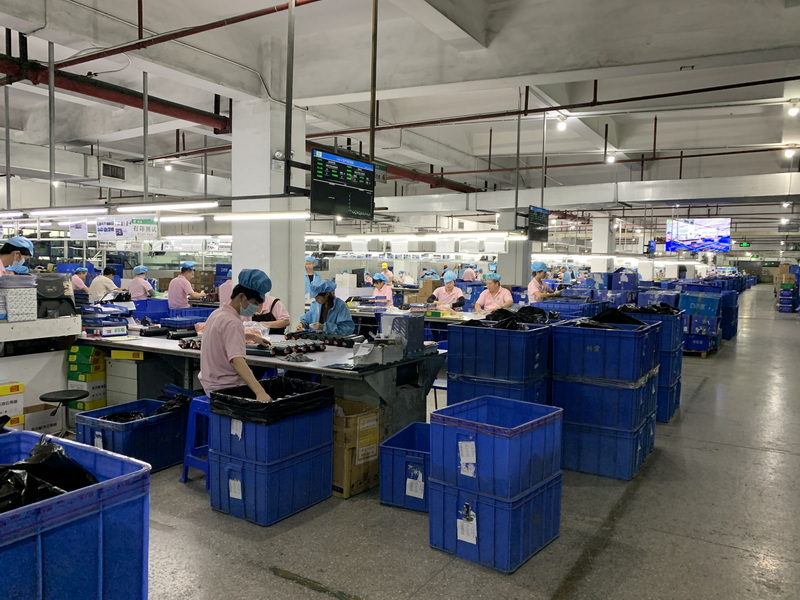
In the global printer consumables market, distributors look for suppliers that provide consistent quality, competitive pricing, and reliable supply chains.
TOC has established itself as a trusted brand by focusing on several key areas:
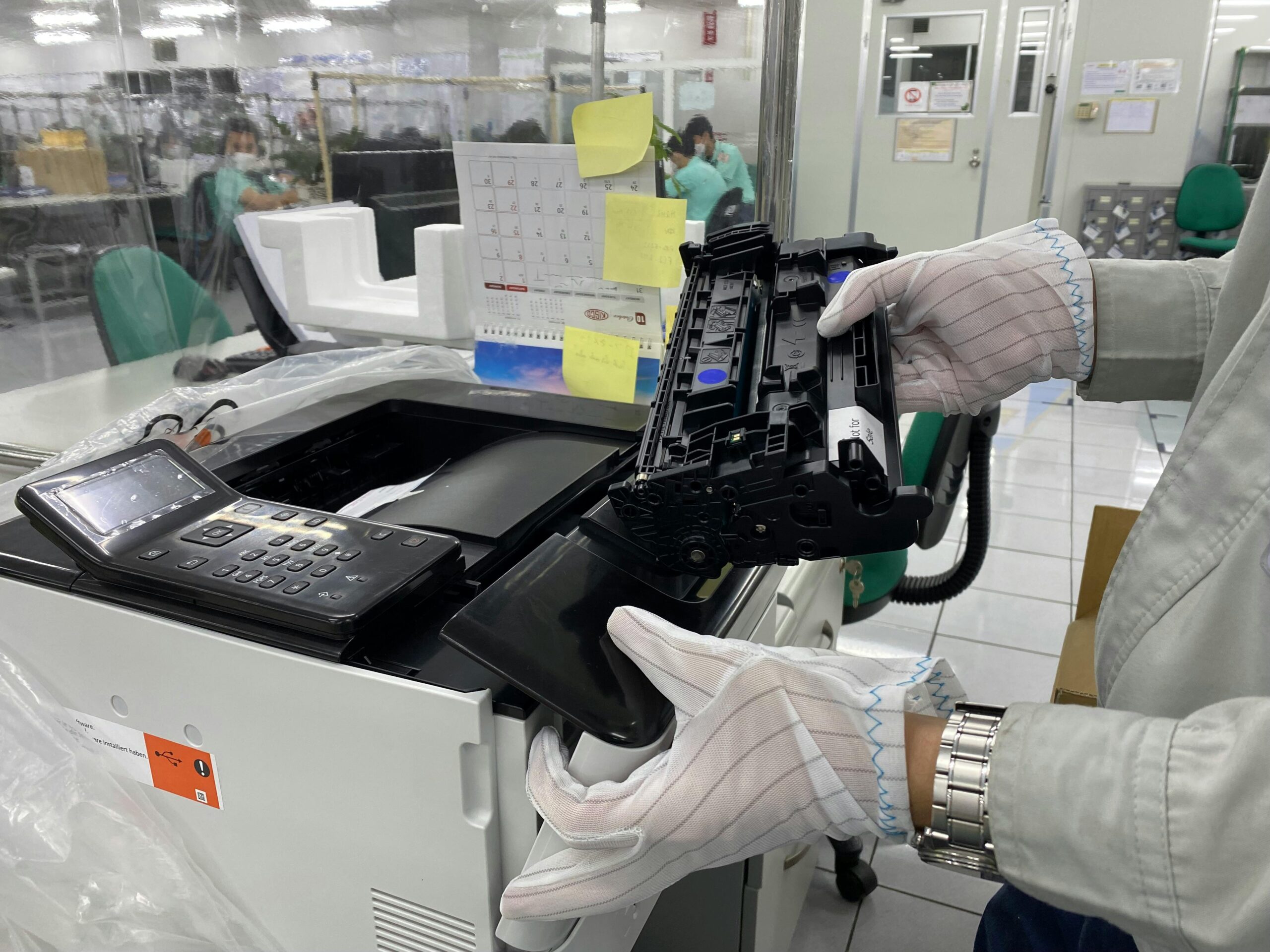
- Strict quality control during production
- Advanced ink formulation research
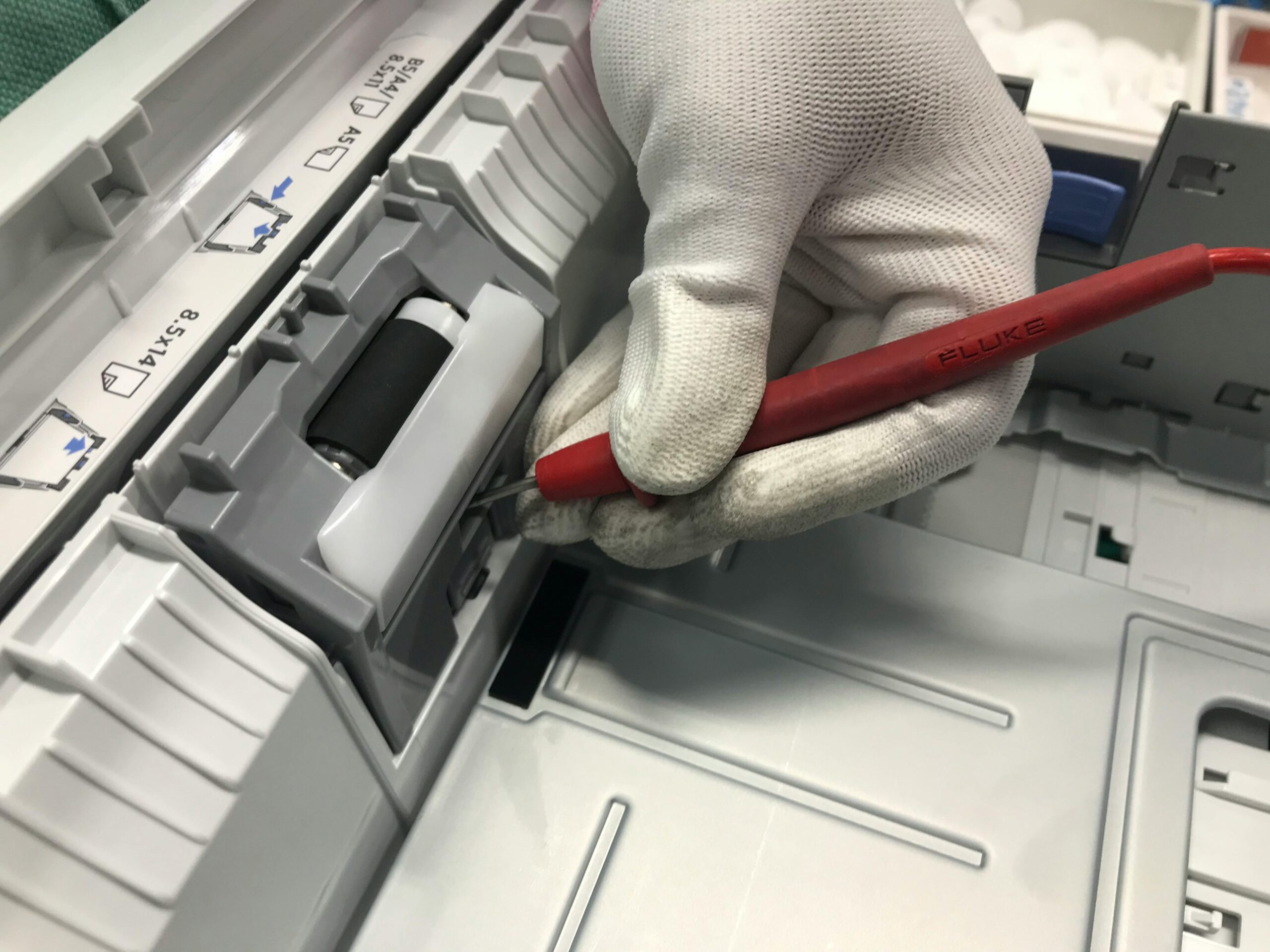
- Compatibility testing with major printer brands
- Stable product performance across large print volumes
These advantages make TOC compatible ink cartridges an attractive choice for distributors and resellers seeking dependable printing solutions.
The Future of Ink Cartridge Technology
As printing technology continues to evolve, ink cartridge performance will remain an important area of innovation. Manufacturers are constantly developing new ink formulations and cartridge designs to improve efficiency and print quality.
Emerging trends include:
- Eco-friendly ink formulations
- Higher pigment concentration for better color density
- Improved cartridge recycling programs
- Advanced compatibility testing for modern printers
Companies that invest in research and development will continue to lead the market by offering products that combine performance, sustainability, and cost efficiency.
Conclusion
Ink cartridge performance is determined by a complex interaction of factors, including ink formulation, cartridge design, pigment quality, and compatibility with the printer system. These elements directly influence color accuracy, print stability, and long-term reliability.
For distributors and businesses that rely on high-volume printing, choosing the right cartridge supplier is essential. High-quality compatible cartridges can deliver excellent results while reducing operational costs.
Brands like TOC focus on advanced manufacturing processes and strict quality standards to ensure their compatible ink cartridges provide consistent color accuracy, smooth performance, and dependable printing stability.
By understanding the factors that influence ink cartridge performance, distributors and end users can make more informed purchasing decisions and achieve better results in their printing operations.